Dee Why Assault Charge Sends Northern Beaches Noise Dispute To Manly Court
An 18-year-old has been charged with reckless wounding in company after a late-night noise complaint at James Meehan Reserve allegedly turned violent.
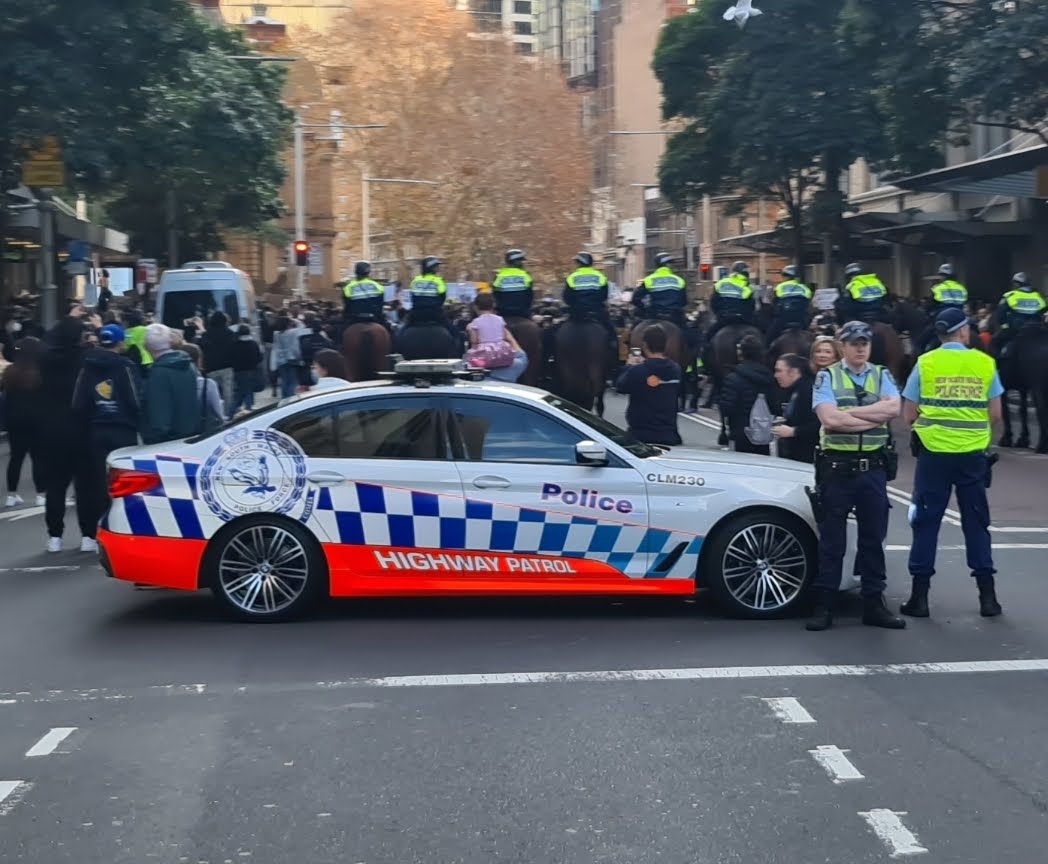
A NSW Police Highway Patrol vehicle photographed in Sydney. The Dee Why matter is now before the courts after an alleged group assault.
A northern beaches noise complaint has become a court matter after an 18-year-old man was charged over an alleged assault at Dee Why. Reporting published on 15 June says emergency services were called to James Meehan Reserve on the night of 29 May after a 47-year-old man was found with severe facial injuries. The man was taken to hospital in a stable condition.
The reported sequence began as a local disturbance rather than a planned public event. The injured man, who lived nearby, had allegedly asked a group of people playing loud music to turn it down. Reports say he first shouted from his balcony and later approached the group in person. Police allege he was then surrounded and assaulted. The 18-year-old has been charged with reckless wounding in company, refused bail and listed to appear at Manly Local Court.
Because the allegations are before the court, the safe public record is narrow. The accused has not been convicted on the reported charge, and the details will need to be tested through the legal process. But the community issue is already clear enough for residents: small conflicts in shared public spaces can become serious very quickly when alcohol, late-night noise, group dynamics or anger are involved. A request to turn music down should not leave anyone with serious injuries.
James Meehan Reserve is the kind of local place where the northern beaches rhythm is supposed to be ordinary. Parks, reserves and apartment blocks sit close together across Dee Why, and the same public space can be used by families, teenagers, workers heading home, dog walkers and people living nearby who need sleep. That closeness requires a basic social contract. People can gather, but they also have to understand that residents are not unreasonable for wanting quiet late at night. Residents can complain, but they also need safe ways to do it.
The practical lesson is not that every noise problem needs a police response. It is that local councils, police and residents need visible pathways before tensions escalate. Apartment buildings should make it easy to report repeat public-space noise without sending residents into direct confrontation. Councils should keep park rules clear and visible. Police should be able to target recurring late-night trouble spots before they become court matters. Young people also need to hear the blunt message that group intimidation can turn a nuisance complaint into a criminal allegation.
For the northern beaches, the case also sits inside a wider conversation about local safety. Dee Why is dense by beachside standards, with units, shops, reserves, bus stops and nightlife close together. That density makes everyday courtesy more important, not less. It also means public places need lighting, passive surveillance, clear closing-time expectations and quick reporting channels. Those are not dramatic fixes, but they are the details that help prevent a loud night from becoming a violent one.
The next public step is the court process. Until then, the useful local response is practical rather than speculative: avoid naming or shaming people online, leave the allegations to the court, and focus on how residents can raise safety and noise concerns without putting themselves in danger. Dee Why does not need panic. It does need a clearer habit of resolving public-space conflict before someone ends up in hospital.
From the desk. Sydney and Surrounds is a practical local newsroom for Greater Sydney. If there is something in your suburb that deserves more attention, we would like to hear about it.