John Graham Rail Budget Puts Sydney Trains Reliability Ahead Of Commuters
A reported $2.1 billion NSW rail package directs spending to signals, staffing and incident response — the basics suburban commuters will actually feel.
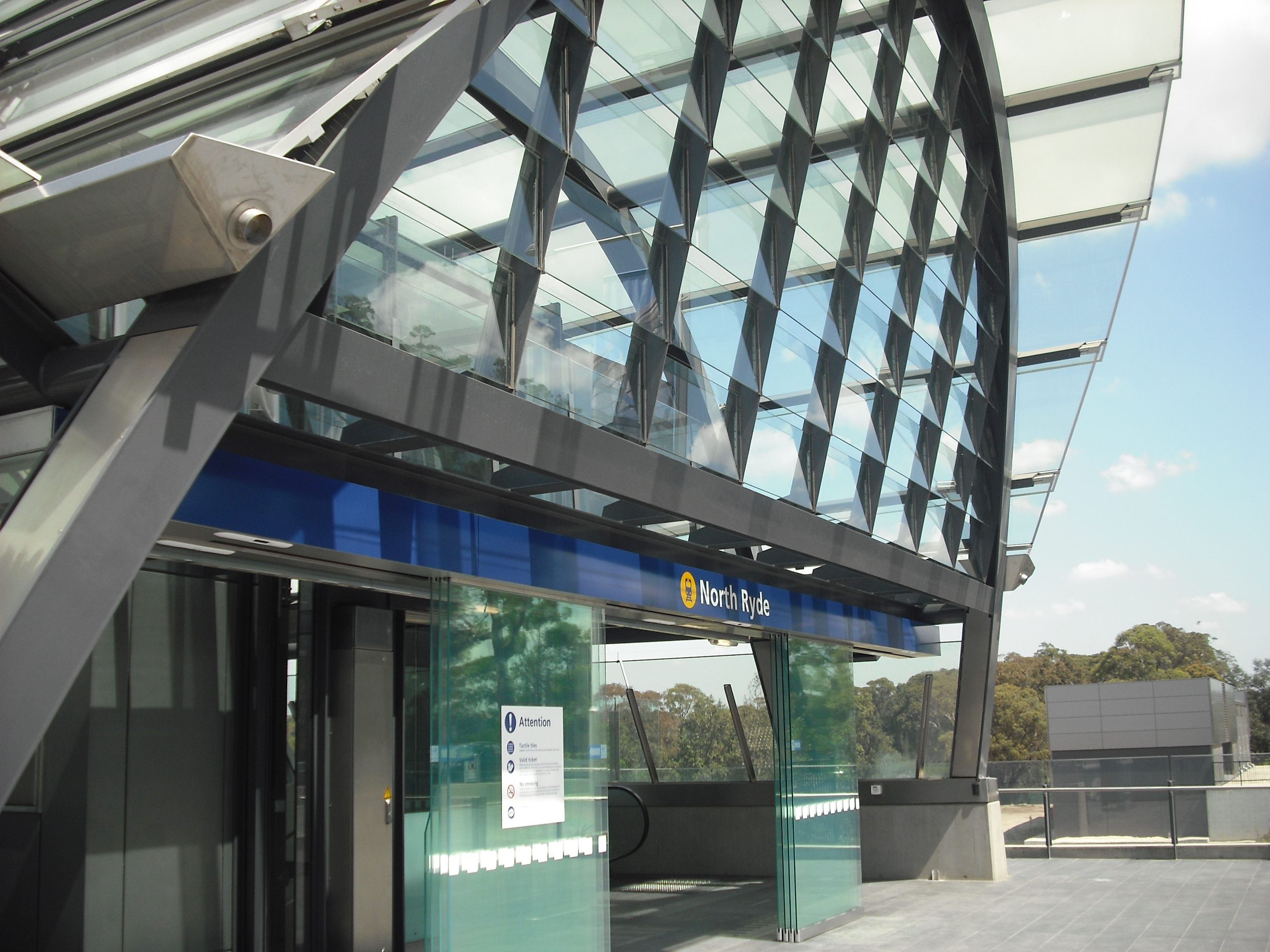
North Ryde railway station in Sydney's north-west. The rail budget package puts reliability, staffing and incident response back in focus for suburban commuters.
Greater Sydney commuters have been given a budget signal that reliability, not only new construction, will be the next public test for the rail network. Reporting published on 15 June says the NSW Government is preparing a 2.1 billion dollar rail package for the 2026-27 financial year, with spending directed to more trains, extra staff, signal and overhead wiring upgrades, Sydney Metro continuation work and incident response capacity.
For suburban passengers, the most important part is not the headline amount. It is where the money is meant to land. The package is reported to include more than 1 billion dollars for signal and overhead wire upgrades across the rail network, including capacity improvements connected with the Illawarra Rail Resilience Plan. It is also reported to include extra guards and trains for services between Sydney, the Illawarra, Central Coast, Newcastle and the Blue Mountains. That makes it a Greater Sydney and surrounds story, not only a CBD transport item.
The network described by Transport Minister John Graham is vast: 14 lines, 288 stations and more than 1,790 kilometres of track. It carries more than a million passengers a day. Those numbers explain why reliability failures are felt so widely. A signal fault at the wrong time can affect school pick-up, hospital appointments, airport connections, shift work, TAFE classes, university timetables, late-night safety and the ability of outer-suburban workers to get home without adding another hour to the day.
The package's reported 150 million dollar rapid response team is therefore worth close attention. A fast incident response system may sound technical, but for passengers it is the difference between a disruption that is contained and one that rolls across multiple lines. Sydney's rail network has many points where one problem can quickly become a regional inconvenience. Better coordination, clearer passenger support and enough trained staff on the ground can be as important as new track when the network is under pressure.
The practical question for commuters is how soon the benefits become visible. Signal and wiring work can be slow, disruptive and difficult to explain because much of it happens away from the passenger's eye. Yet those assets are often the difference between a timetable that looks good and a timetable that survives weather, equipment failure and heavy demand. If the budget money improves the basics, the public may notice fewer cascading delays, more accurate information and fewer days where a single fault dominates the commute.
The regional links also matter for the Sydney and Surrounds audience. The Central Coast, Newcastle, Blue Mountains and Illawarra lines are not tourist extras. They move workers, students, patients, carers and families into and out of Sydney every day. When those corridors are weak, Sydney's pressure spreads beyond the metropolitan map. When they are stronger, the city functions more like the regional hub it already is.
The government will still have to prove delivery. Commuters should watch for published works schedules, line-by-line outage notices, staffing updates, procurement details and measurable reliability reporting. A large budget announcement is only the start. The test is whether a family in Hornsby, a nurse in Penrith, a student in Wollongong or a shift worker on the Central Coast can see a network that is steadier, clearer and better supported when something goes wrong.
From the desk. Sydney and Surrounds is a practical local newsroom for Greater Sydney. If there is something in your suburb that deserves more attention, we would like to hear about it.