NSW Modular Housing Plan Puts Faster Home Building Into Greater Sydney Supply Debate
The NSW Government's modular-housing push backs prefabrication and a Modern Methods of Construction Innovation Facility, aiming to speed up home delivery across Greater Sydney.
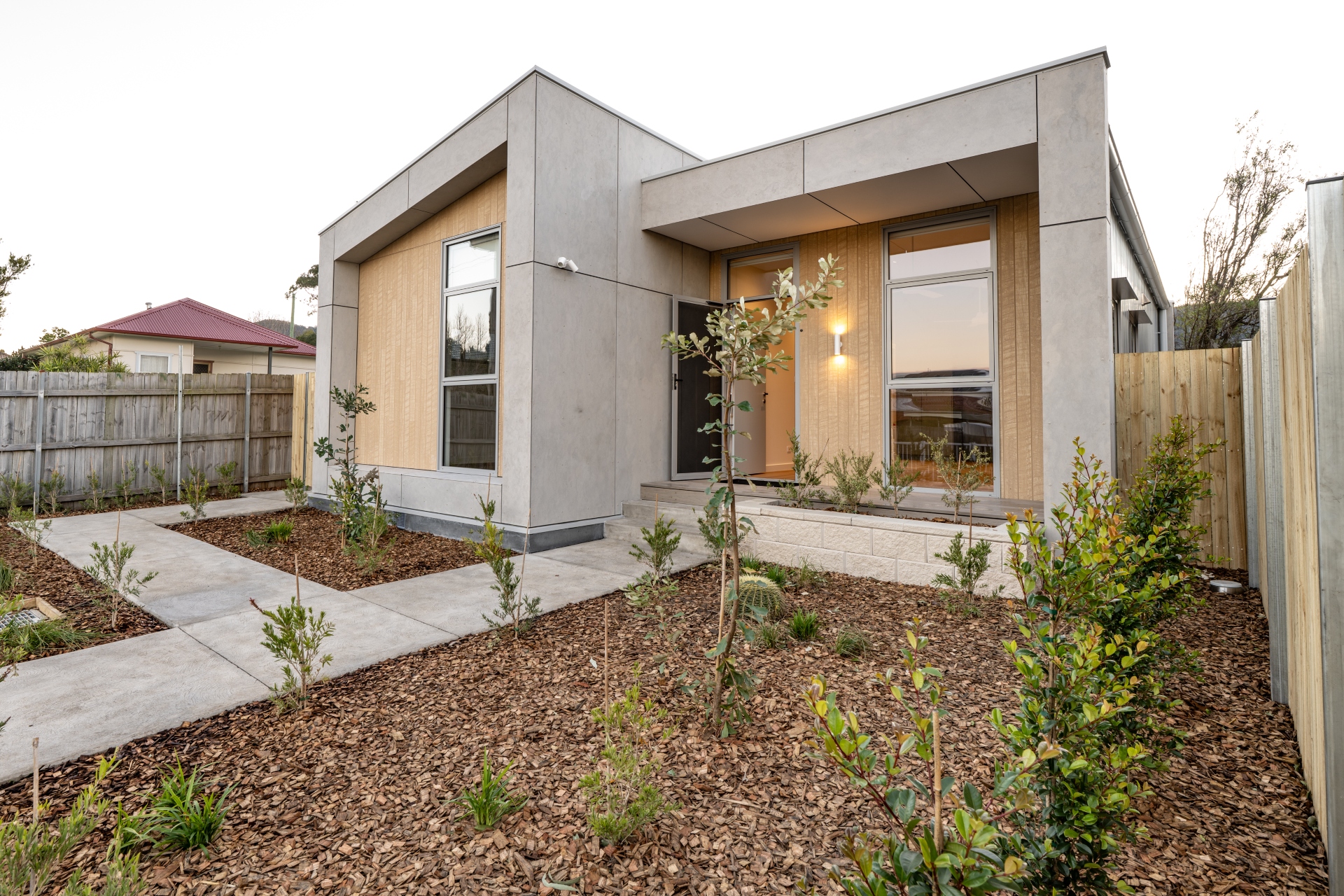
A prefabricated home example used by the NSW Government in its modern methods of construction housing announcement.
The NSW Government's new modular-housing push has put the way homes are built into the centre of the state's supply debate, with direct consequences for Greater Sydney suburbs waiting for more affordable and medium-density options. The government said on 22 June that the 2026-27 budget will back a Modern Methods of Construction Innovation Facility, designed to support prefabrication, modular construction and digital building technologies. The stated aim is to deliver high-quality homes faster, reduce construction times and strengthen the state's building supply chain.
For Sydney residents, the announcement is best read as a delivery test rather than a slogan. The city does not only need planning approvals on paper. It needs completed homes near transport, schools, health services and jobs. The government says a two-stage competitive tender will open in coming weeks for local and international operators that can demonstrate commercial readiness, technical capability and a track record across building types, including medium-density housing. That matters because the missing middle of Sydney housing is often not a tower, but a smaller apartment building, terrace-style development or infill project that must be approved and built without years of delay.
The program is tied to the NSW Government Pattern Book designs, which are intended to create a faster and more consistent pathway from design to approval and construction. If it works, the approach could reduce one of the hidden costs in housing delivery: every small project having to reinvent design, certification and compliance processes. If it does not work, it risks becoming another procurement and pilot program that sounds useful but never changes the number of homes available to renters and buyers.
The budget package also includes $32.3 million over four years to modernise the building approvals system, integrate changes into the NSW Planning Portal and pilot artificial-intelligence tools to speed up licence application processing. The government said $1.6 million will support a new regulatory framework and national certification system for modern methods of construction. A separate $4 million investment will open from 29 June through the Housing Innovation in Construction Fund and the Housing Innovation Network Grants Program, with grants for manufacturers and smaller enterprises looking to adapt or pilot new housing products.
Those funding lines are modest beside the scale of Sydney's housing shortage, but they target a real bottleneck. Construction is expensive, labour availability is uneven, material costs have risen, and approval delays can turn a viable project into a stalled one. Prefabrication can help only if the manufactured components are accepted by regulators, insurers, financiers, builders and buyers. That is why the certification and procurement rules may be as important as the factory floor.
The government also pointed to broader housing reforms, including transport-oriented development, low and mid-rise housing policy, the Housing Delivery Authority and the Planning System Reforms Act 2025. It said housing approvals are up 13.5 per cent compared with the previous 12 months, planning approvals are 30 per cent faster, and more than 79,300 homes are currently under construction in NSW. Those figures give the announcement context, but they do not settle the local question: whether households in Western Sydney, the inner west, the north-west and the south-west will actually see more homes they can afford.
The practical challenge is community confidence. Prefabricated housing can be faster, but residents will still care about quality, durability, street design, parking, open space, schools and transport. A modular home built quickly but placed without infrastructure will not feel like a solution. A faster building system connected to good design and local services could help ease pressure without asking each suburb to accept vague growth promises.
For Greater Sydney, the useful next milestones are the tender details, the first operators selected, the types of homes produced, and whether early projects move from announcement to occupancy faster than conventional delivery. The housing crisis is felt in rent renewals, mortgage stress and adult children staying at home longer. The modular plan will be judged by those daily pressures, not by the novelty of building homes in a different way.
From the desk. Sydney and Surrounds is a practical local newsroom for Greater Sydney. If there is something in your suburb that deserves more attention, we would like to hear about it.