Parramatta Housing Report Says Fast-Track Proposals Could Add 20,000 Residents Above Local Plans
Parramatta Council is warning that fast-tracked housing proposals could push local growth well beyond existing infrastructure assumptions, with its latest housing report making the case for stronger planning safeguards. The council source frames the issue around Housing Delivery…
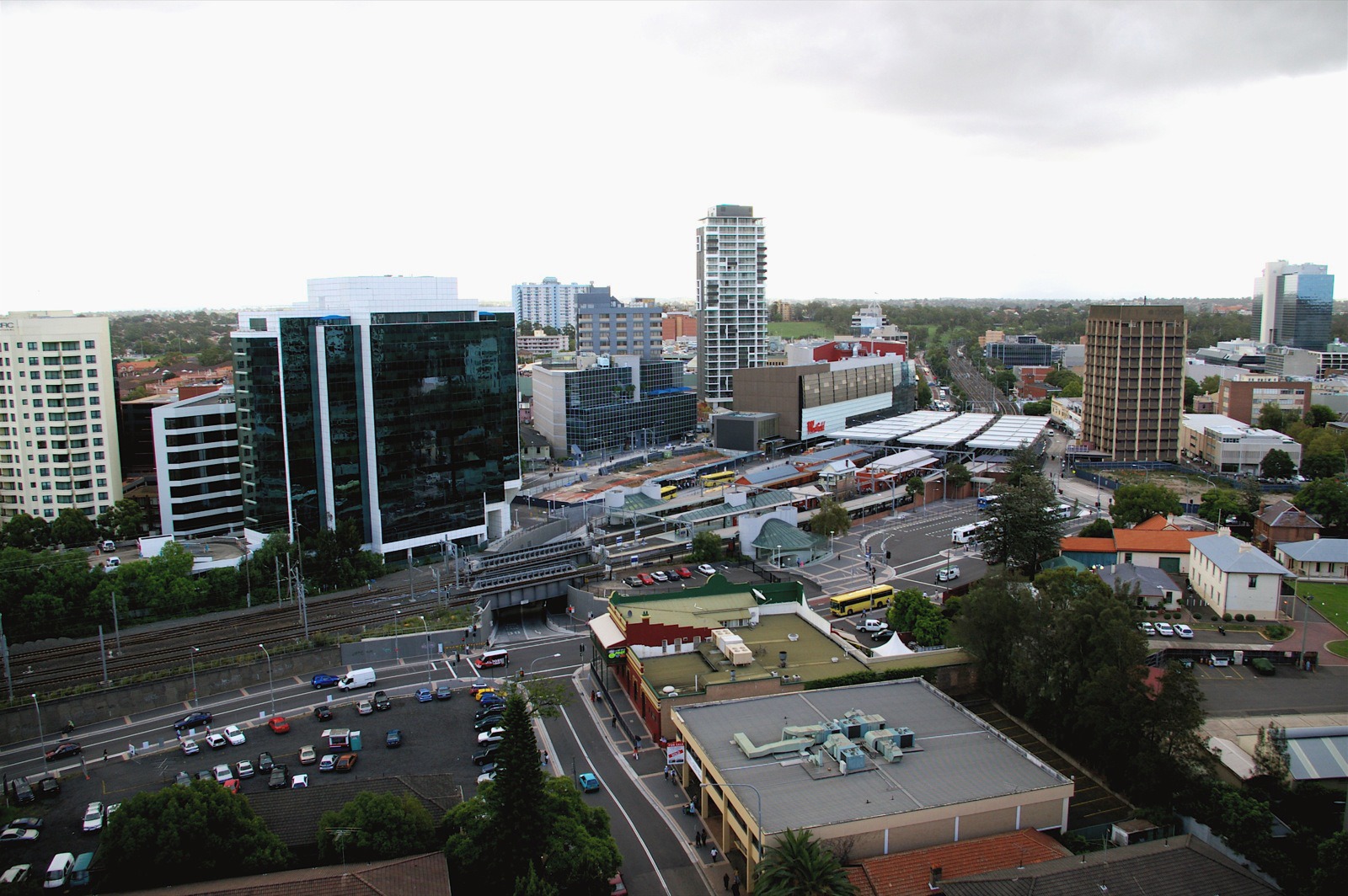
Parramatta CBD, where housing and infrastructure planning pressures are under renewed attention.
Parramatta Council is warning that fast-tracked housing proposals could push local growth well beyond existing infrastructure assumptions, with its latest housing report making the case for stronger planning safeguards. The council source frames the issue around Housing Delivery Authority proposals and the risk of thousands of additional dwellings being assessed outside the usual local planning sequence.
The headline local concern is not whether Parramatta needs more homes. It does. The concern is whether new dwellings arrive with enough transport, schools, parks, drainage, health services and community facilities to support the extra population. Council material says the pipeline could add about 20,000 residents above local plans if the fast-track proposals proceed in the way feared by the city.
That matters because Parramatta is already carrying several Sydney-wide roles at once. It is a CBD for western Sydney, a major health and education centre, a rail interchange, a light rail corridor, a jobs district and a high-density housing market. When extra apartment proposals land in that environment, the question is not only height or skyline. It is whether the surrounding streets, footpaths, open space and public services can absorb the growth.
The debate also exposes a tension in New South Wales housing policy. State-level targets are pushing councils to deliver more homes quickly, while local governments are trying to hold onto planning controls that tie growth to infrastructure. Residents can be frustrated by slow approvals and high prices, but they can also be frustrated when new housing arrives without enough everyday services. Both concerns can be true at the same time.
For buyers and renters, a faster pipeline may eventually mean more choice. For existing residents, the immediate questions are more practical: where children will go to school, how buses and trains will handle extra patronage, whether local roads will slow further, and whether open space keeps pace with population. The council's report is therefore best read as a local infrastructure warning rather than an argument against housing supply.
The next stage for Parramatta readers is to watch which projects proceed, which conditions are attached, and whether the state and council agree on infrastructure funding. A fast approval pathway can only keep public trust if it is paired with visible public benefits. Otherwise, Parramatta risks becoming a case study in the difference between approving homes and building a suburb that works.
That difference is already visible in everyday local questions. Can a new tower's residents reach the station without crowding narrow footpaths? Are parks big enough for the number of families moving in? Will stormwater systems handle heavier rain as more hard surfaces are added? Are social and affordable homes part of the mix or is the pipeline mostly market apartments? A housing target can count dwellings, but residents experience the result through streets, queues, school catchments, shade, traffic and access to services. Parramatta's report puts those practical measures back into the discussion.
Those are the measures residents will use when judging whether the fast-track system is helping or overloading the centre.
From the desk. Sydney and Surrounds is a practical local newsroom for Greater Sydney. If there is something in your suburb that deserves more attention, we would like to hear about it.