Windsor Road Upgrade Puts North-West Commutes Back On Budget Watch
A $190 million widening of Windsor Road promises bus lanes, intersection fixes and a shared path — but north-west residents will judge it on delivery, not announcement.
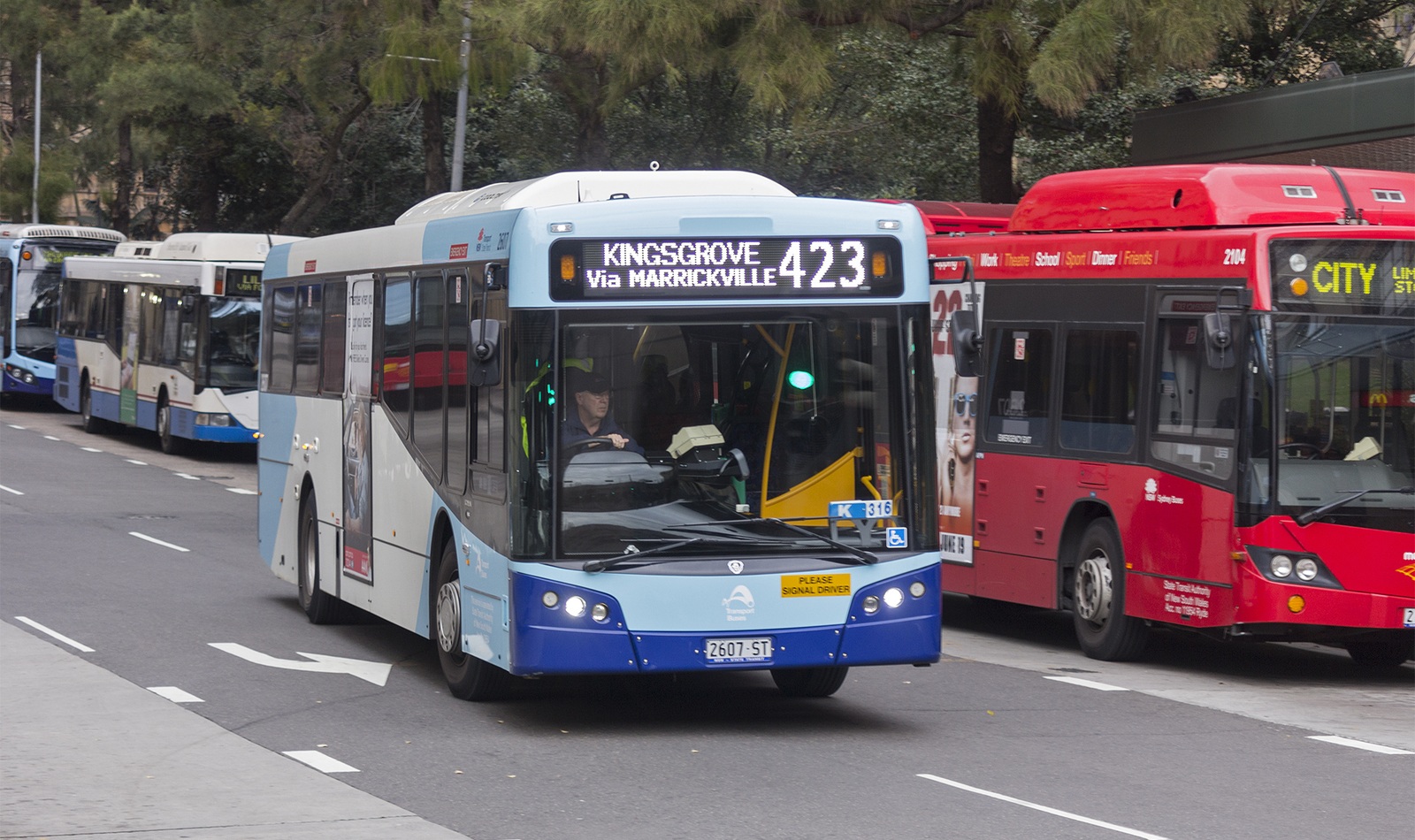
A Transport for NSW-liveried Sydney bus in service. The Windsor Road upgrade includes dedicated bus lanes as part of the north-west corridor works.
Sydney's north-west has a new transport line item to watch after the NSW Government committed $190 million toward widening Windsor Road, one of the growth corridor's most pressured routes. The funding, reported on 9 June, is part of a joint state and federal upgrade aimed at the section between Mile End Road and Commercial Road. It is a practical suburban story rather than a CBD set piece: families, tradies, shift workers, students and hospital users in and around Rouse Hill, Kellyville and the wider Hills district are the people most likely to notice whether the project lands well.
The plan is not just a general road-widening promise. The reported scope includes three lanes and a dedicated bus lane in each direction, intersection improvements, upgraded bus infrastructure and a new shared path for pedestrians and cyclists. That mix matters because north-west congestion is not only about private cars. The corridor has been reshaped by housing growth, Sydney Metro, business parks, schools and the coming Rouse Hill Hospital. A road project that only adds car lanes would leave the bus network and active transport as afterthoughts. The current package at least puts those pieces in the same corridor conversation.
The strongest local number is the daily load. More than 30,000 people use Windsor Road each day, according to the reporting, and morning peak speeds had been put at about 22km/h. For residents, that is not an abstract traffic statistic. It is the difference between a school drop-off that works and one that pushes the whole morning late. It is also a business cost for operators that need reliable travel between the Hills, Parramatta, Blacktown and the broader motorway network.
Construction is expected to begin before March 2027. That timing leaves the upgrade in a familiar Sydney position: important enough to be welcomed, but still distant enough that residents will judge it on delivery rather than announcement. The key questions now are how early work will affect existing traffic, whether bus priority survives detailed design, and how the shared path connects to safe local routes instead of stopping at the project boundary.
The upgrade also sits beside a wider north-west transport pattern. The Hills district has already absorbed metro stations, business growth and large housing areas, yet many local trips still depend on road corridors that were not designed for today's volumes. Windsor Road is also part of a daily movement pattern that connects residents to Parramatta, Blacktown, the M7, schools, retail centres and health services. That is why the bus-lane component deserves attention. If the project gives buses clearer running space, it can help people who do not drive and make the road more efficient for those who do. If the bus element is weakened, the upgrade risks becoming another short-term lane expansion in a corridor that will keep growing.
For Sydney and Surrounds, the story is a useful marker of the site's lane: the most important transport news is often not the glamorous new line or harbour photo. It is the suburban corridor where 30,000 daily users are trying to get home without losing another half hour to growth that arrived faster than the roads, bus stops and paths around it.
From the desk. Sydney and Surrounds is a practical local newsroom for Greater Sydney. If there is something in your suburb that deserves more attention, we would like to hear about it.