James Manning Sharon AI Raise Puts Sydney Founders In The AI Infrastructure Race
Sydney-based Sharon AI's reported $US1.6 billion raise and six-year Nvidia compute deal puts a founder-led local company at the centre of Australia's AI infrastructure question.
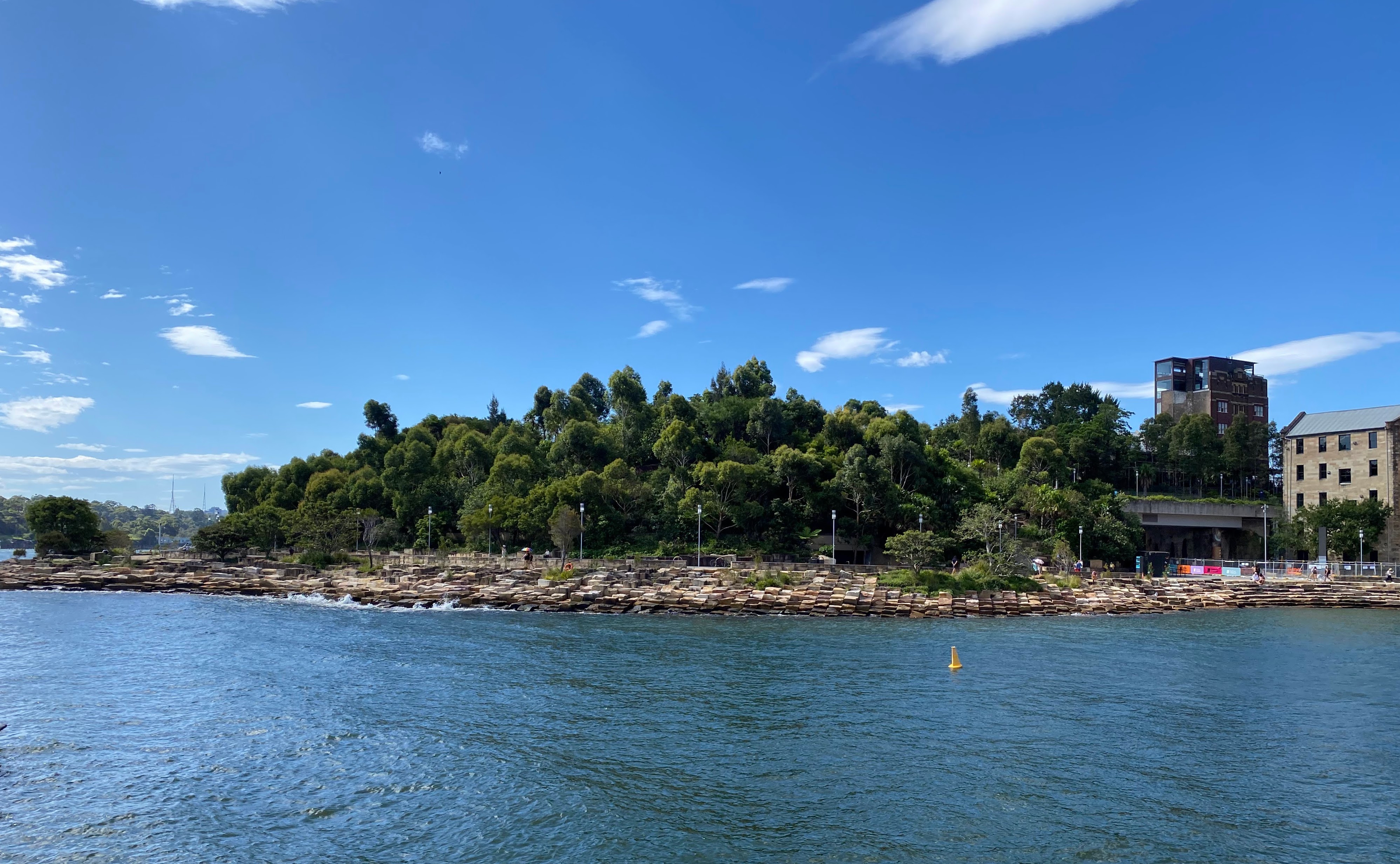
Barangaroo and Sydney's business district. Sharon AI is a Sydney-based AI cloud infrastructure company, and the image is used as a licensed local business-district context photograph.
Sydney-based Sharon AI has put a founder-led technology story into the middle of Australia's infrastructure debate after reporting a $US1.6 billion raise tied to a six-year Nvidia compute agreement. The Australian reported on 18 June that the neocloud company, led by co-founder and chief executive James Manning, closed the capital raise above its original $US1 billion target after strong investor demand. The money is intended to help fund a pact with Nvidia under which Sharon AI will deploy up to 40,000 Grace Blackwell GB300 GPUs.
The numbers are large, but the local importance is practical. Sydney's technology sector often talks about software, fintech, venture capital and consumer platforms. Sharon AI is a different kind of founder story because it sits closer to the physical layer of artificial intelligence: data centres, GPUs, electricity, cooling, cloud access, capital markets and enterprise demand. If Australian businesses, researchers and government agencies want to train or run more advanced AI systems locally, the question is not only whether they have good ideas. It is whether they can reach enough secure computing capacity at a price and scale that makes local work viable.
That is why the Nvidia agreement matters beyond one company's valuation. Barron's reported last week that Sharon AI and Nvidia had announced a six-year agreement to stand up 72 megawatts of new data-centre capacity in Australia, with up to 40,000 Nvidia AI processors intended to serve startups, enterprises and university researchers. The same reporting said the deal would give Nvidia standard product revenue from its chips and a share of Sharon AI's hosting-services revenue. For customers, the useful part is not the finance structure itself. It is whether a local neocloud provider can make high-end compute more accessible than a market where only the largest global technology companies can compete.
Manning's comments also show the founder-led nature of the story. The Australian quoted him saying the company launched the raise on a Friday in the United States and closed it essentially by Monday, with the book still covered multiple times. That is a strong signal about investor appetite for AI infrastructure, but it also brings a delivery test. Fast capital raising can create momentum; it does not by itself deliver racks, power, uptime, customer support, security standards or predictable pricing. Sydney founders watching the story should separate the fundraising win from the operating challenge still ahead.
Sharon AI's own website frames the company around sovereign AI in Australia, secure cloud, private cloud, virtual private clusters, GPU fleet products and high-performance computing for research, machine learning, media and enterprise workloads. That positioning is important because the local policy conversation has shifted from whether AI will be used to where the underlying systems are hosted and controlled. For banks, health organisations, universities, government agencies and larger enterprises, data location, security, procurement and resilience are not side issues. They can decide whether a service is usable at all.
The company has also been building a more public capital-market profile. The Australian previously reported that Sharon AI, co-founded by James Manning, Andrew Leece and Nick Hughes-Jones, listed on Nasdaq in February and had been considering an ASX listing. The same earlier reporting said former Telstra chief executive Andy Penn had been appointed chairman and that the company had customers including Canva. Those details do not guarantee success, but they show a company trying to bridge Australian technology credibility, US capital-market appetite and the global chip supply chain at the same time.
For Greater Sydney, the story fits the site's practical business lane. It is not about a glossy startup launch or a celebrity founder. It is about whether a Sydney-led company can build part of the infrastructure that other businesses may need to compete. If Sharon AI delivers, local founders may have another domestic route to advanced compute. If it stumbles, the episode will still show how difficult and capital intensive the AI infrastructure race has become. The useful question for Sydney now is simple: can a local founder-led operator turn the current AI infrastructure boom into reliable capacity that Australian customers can actually use?
From the desk. Sydney and Surrounds is a practical local newsroom for Greater Sydney. If there is something in your suburb that deserves more attention, we would like to hear about it.