Tom Willis Lawpath Index Puts Camden Penrith Blacktown And Liverpool In NSW Startup Growth Frame
Western Sydney's growth councils are again showing up as business formation hotspots, with Lawpath's latest NSW analysis putting Camden, Penrith, Blacktown and Liverpool inside the state's startup story.
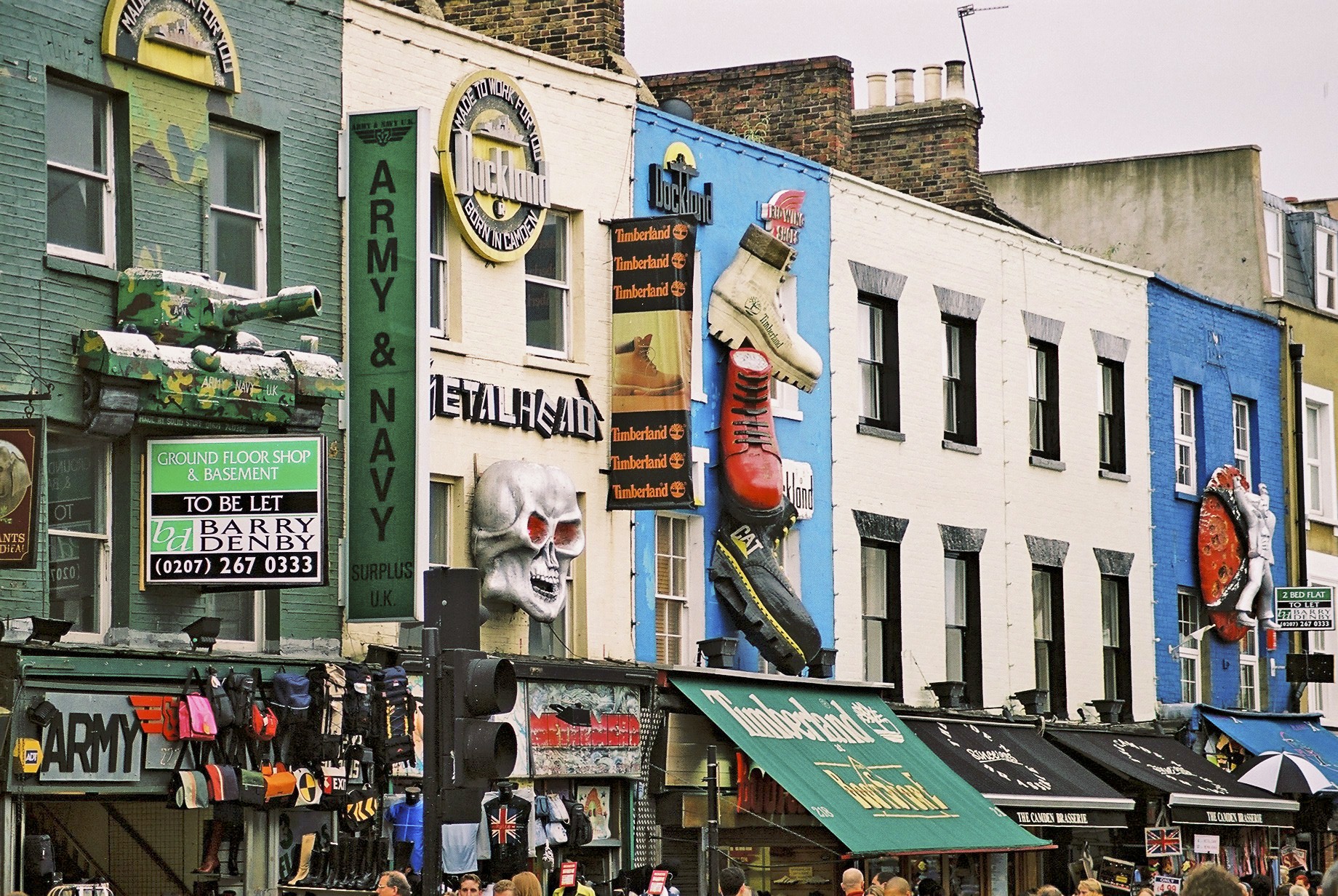
Camden town centre, representing the Western Sydney growth council that led Lawpath's NSW startup growth ranking.
Western Sydney's growth councils are again showing up as business formation hotspots, with Lawpath's latest NSW analysis putting Camden, Penrith, Blacktown and Liverpool inside the state's startup story. The article, published by Lawpath and attributed to chief marketing officer and co-founder Tom Willis, ranks NSW local government areas by business registration growth for FY26. It names Camden as the fastest-growing area by percentage, rising 42.5 per cent from 2,669 registrations in FY25 to 3,804 in FY26.
The figures matter because they point to a business trend that is more suburban and practical than the usual CBD startup narrative. Lawpath's top-ten list includes Camden, Penrith, Blacktown and Liverpool, all linked to the wider Western Sydney corridor and the economic pull of population growth, housing development, infrastructure and the coming Western Sydney International Airport. Lawpath says NSW registrations have climbed from about 131,800 in FY21 to 443,300 in FY26, with a 29.3 per cent lift in the last year.
Blacktown stands out for scale. Lawpath lists it as the largest top-ten growth area by sheer numbers, with 23,075 registrations. Liverpool is described as growing 36.2 per cent to 8,769 registrations, with the article noting its position in the Western Sydney Aerotropolis conversation and the broader forecast of 200,000 jobs connected to the airport, aerotropolis and city deal agenda. Penrith also sits in the frame as a western city with a mix of housing growth, infrastructure and small business demand.
This is also a founder story, because the numbers are not only about corporate relocations or industrial estates. Lawpath says most top-ten businesses are small, with non-employing sole operators making up 54 to 64 per cent of registrations in the listed areas. Construction leads in nine of the ten areas, while Blacktown is led by transport and warehousing. That profile fits the lived economy of fast-growing suburbs: tradies, local service providers, owner-drivers, home-based operators, consultants, food businesses, educators and small professional services building around new housing and population growth.
The founder angle is visible in the local examples now being reported around Sydney's north-west and west. The Daily Telegraph reported this week on Hills District startup growth using Lawpath data, naming Quakers Hill, Bella Vista, Marsden Park and Rouse Hill among hotspots and including local founder examples such as Mansi Patel of Sydney Academy of Public Speaking. Because that reporting sits alongside Lawpath's broader index, it reinforces the same point: the startup map is not confined to inner-city co-working spaces. It includes suburban operators turning skills into businesses close to where families, schools and new communities are expanding.
For councils, the numbers raise practical service questions. Fast business registration growth can bring demand for clearer development rules, better local procurement pathways, small business mentoring, digital support, loading zones, affordable workspaces and town centre activation. For state government, the trend also tests whether infrastructure investment is matched by business support in the places absorbing much of Sydney's population growth. A new airport and freight corridor may shape the macro economy, but many of the registered businesses will need basic local conditions to survive their first years.
For residents, the trend is worth watching because small businesses often determine the feel of a suburb faster than headline projects do. A new tutoring studio, cafe, plumbing business, cleaning contractor, speech school, home builder or logistics operator changes how money circulates locally. Lawpath's index suggests Western Sydney's founder economy is not waiting for the airport to open before moving. It is already registering businesses at speed, and the next test is how many of those founders can move from registration to durable, locally useful enterprises.
From the desk. Sydney and Surrounds is a practical local newsroom for Greater Sydney. If there is something in your suburb that deserves more attention, we would like to hear about it.