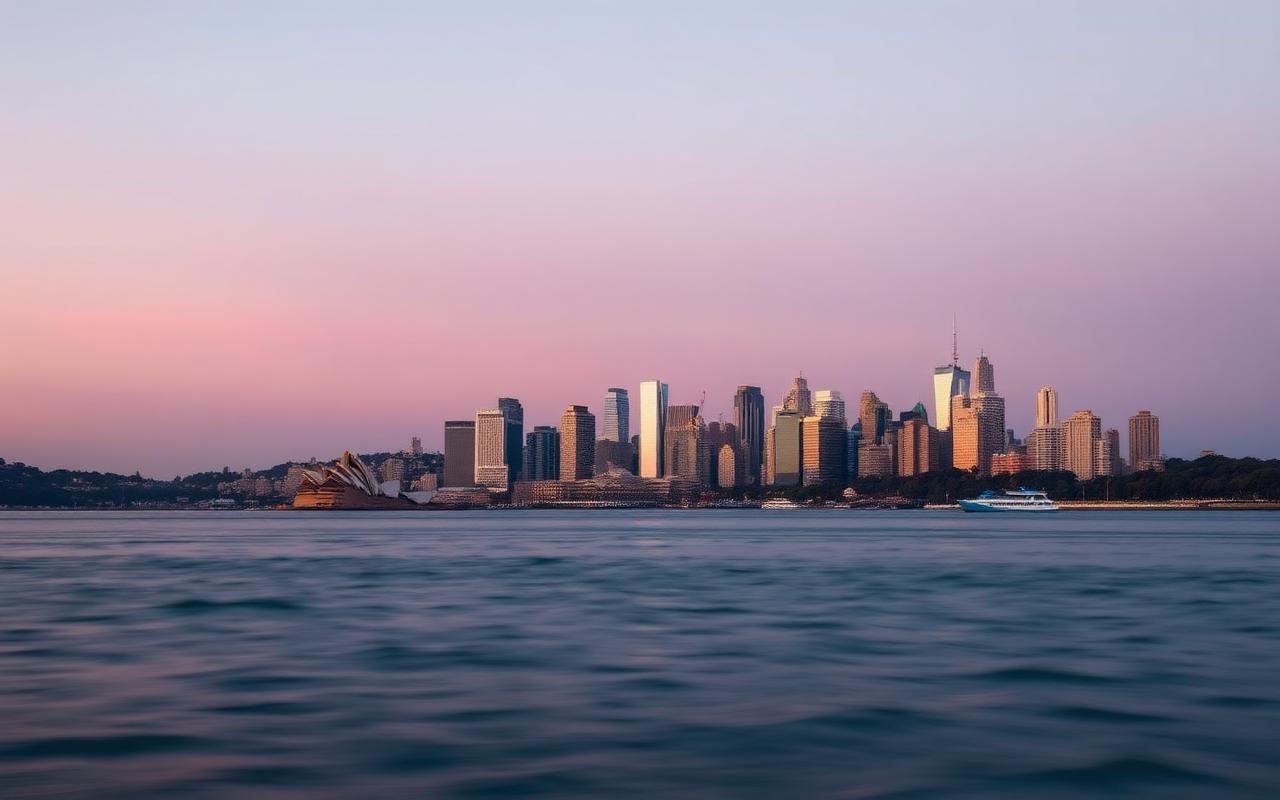
Opinion: Greater Sydney Needs Promises Residents Can Actually Use
Big numbers are necessary but not enough. The useful city is built in bus lanes, footpaths, drainage and details — not in announcements.
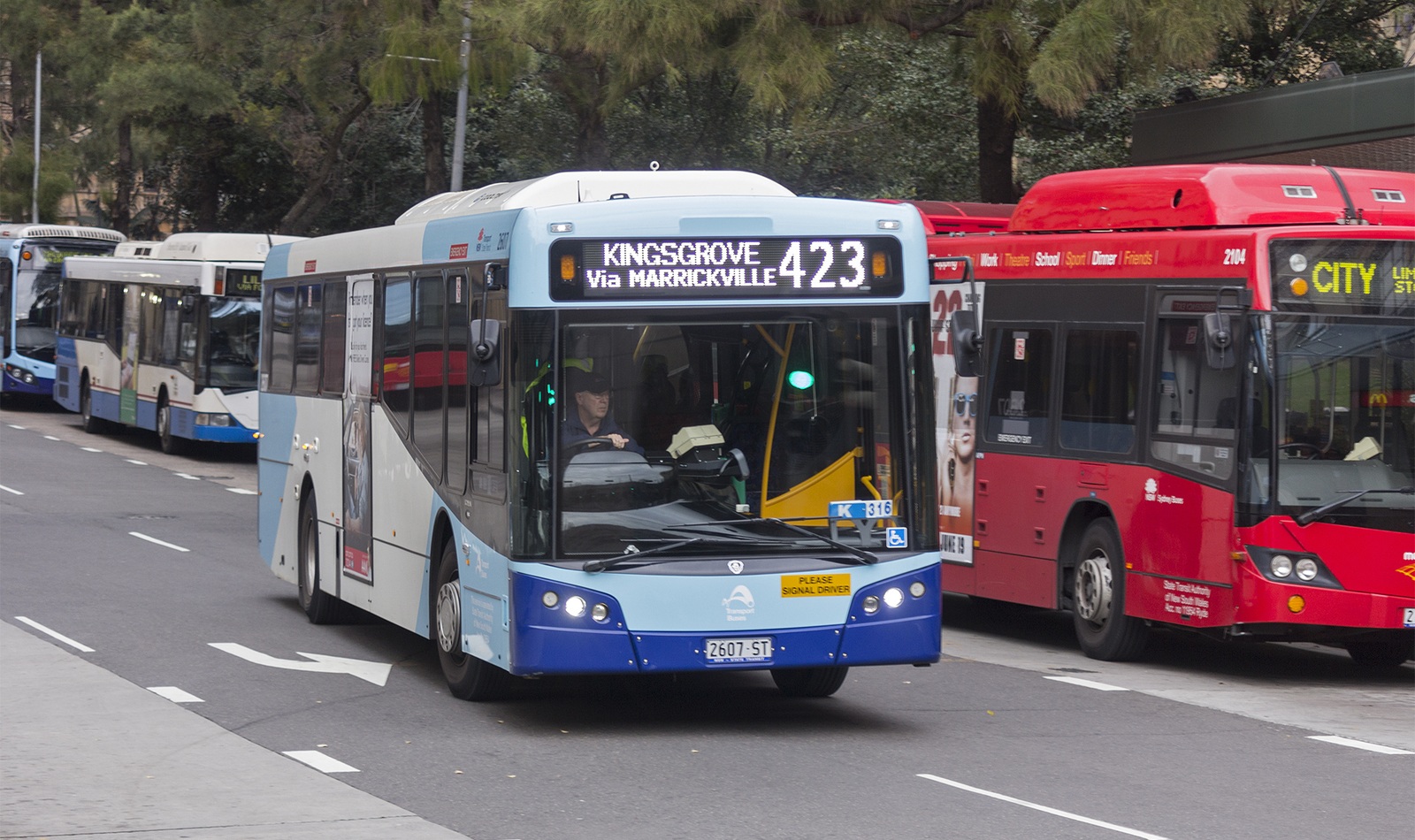
A Transport for NSW-liveried Sydney bus in service. This week's local stories all point back to practical infrastructure residents can actually use.
Greater Sydney does not suffer from a shortage of announcements. Every week brings another road promise, housing target, centre upgrade, precinct plan or event calendar. The harder question is whether residents can actually use what is promised. This week's most useful local stories all point in that direction: a Windsor Road upgrade that has to relieve a real commute, a Western Sydney housing infrastructure plan that has to make approvals livable, a Bondi Junction redevelopment that has to serve everyday local life, and an Olympic Park event that works only if the surrounding transport and venue systems do their jobs.
That is the practical test for Sydney and its surrounds. Big numbers are necessary, but they are not enough. A $190 million road commitment sounds substantial, but residents will judge it by travel time, bus reliability, safe crossings and whether construction is managed without turning the corridor into a new daily punishment. A $5 billion loan proposal for councils sounds ambitious, but households will judge it by whether suburbs get drainage, roads, parks and services before the pressure lands on their street.
The same test applies to private investment. Westfield Bondi Junction's $240 million level six plan may create a stronger dining and entertainment precinct, but its real value will depend on whether the centre remains easy to use for locals as well as attractive to premium brands. A redevelopment that creates new places to eat, meet and stay out later can be good for a suburb. A redevelopment that adds disruption without clear everyday benefit will be treated as another polished promise.
Sport and events are no different. The Australian Open badminton tournament at Olympic Park is not the largest event Sydney will host this winter, but it is the kind of fixture that shows whether the precinct can support a steady flow of smaller international events. Trains, parking, signage, food options and accessible paths matter just as much as the court itself. When those details work, a specialised event feels like part of the city. When they fail, even a good event feels harder than it should.
This is why practical infrastructure should be treated as public trust, not background administration. Residents are asked to accept denser housing, longer construction periods, new entertainment precincts and more events because those things are supposed to make the city more productive and more interesting. That bargain breaks down when the enabling details arrive late or not at all. A family does not experience a housing policy through a press release. It experiences it through rent, parking, bus frequency, footpaths, parks and whether a local centre still feels easy to use. The more Sydney grows, the less patience residents will have for announcements that skip those details.
Greater Sydney is growing through dozens of practical decisions, not one grand gesture. Residents notice the bus lane, the footpath, the school queue, the local cafe, the apartment block, the late train and the roadworks sign. They do not need every announcement to be spectacular. They need more promises that are specific, funded, sequenced and honest about delivery. The useful city is built in those details.
From the desk. Sydney and Surrounds is a practical local newsroom for Greater Sydney. If there is something in your suburb that deserves more attention, we would like to hear about it.