Opinion: Greater Sydney Needs Service Details Before Bigger Announcements
Rail budgets, public-space safety and coastal warnings all share one test: residents need service detail, not political theatre.
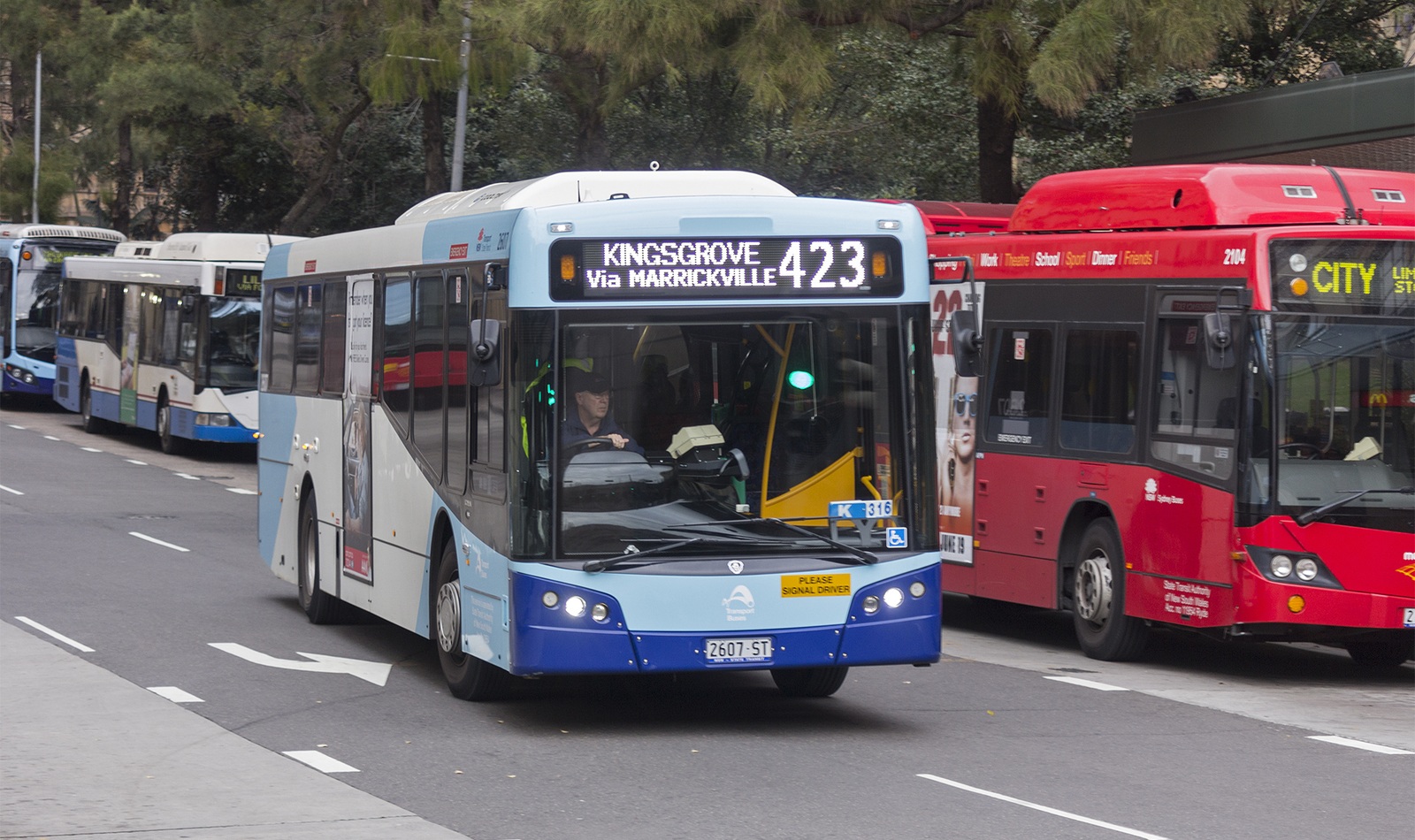
A Transport for NSW-liveried Sydney bus in service. Greater Sydney's daily life depends on practical service details, not only large announcements.
Greater Sydney's current local news is a reminder that the city does not run on announcements alone. A 2.1 billion dollar rail budget can sound impressive, but commuters will judge it by signal faults, staffing, incident response and whether the trip home is more reliable. A Dee Why assault charge can sound like a single criminal matter, but residents will judge local safety by whether noise complaints and public-space conflict have safe reporting pathways. A Coogee shark attack response can sound like a coastal emergency story, but beachgoers will judge it by clear warnings, drone rules and lifeguard information they can actually use.
Those stories are different in subject, but the public need is the same: service detail before political theatre. Sydney is large enough that a vague promise can disappear between agencies, councils, contractors and daily routines. People do not experience government as a budget line. They experience it as a train that arrives, a bus connection that makes sense, a staffed hospital ward, a safe park, a clean public sign, a clear beach closure and a phone number that works when something is wrong.
The rail package is the clearest example. More than a million passengers use Sydney's train network each day, according to the reporting on the government's budget plan. That scale makes reliability a social issue, not just a transport issue. When trains fail, carers miss pick-ups, casual workers lose pay, students arrive late, appointments are rescheduled and families in outer suburbs carry the uncertainty. The promise of signal and overhead wire upgrades will matter only if passengers eventually feel fewer disruptions and better communication when disruptions do happen.
The Dee Why matter points to another part of the same problem. Public spaces need rules that people can understand before a conflict escalates. If residents feel the only way to handle a late-night disturbance is to confront a group directly, the system has already left too much to chance. If young people do not understand that group behaviour can become a serious criminal allegation, the community message has failed. Local safety is built through lighting, reporting channels, visible patrol patterns, park management and simple expectations about how shared spaces work.
Coastal safety adds a third layer. Guardian reporting said a woman in her 30s was critically injured at Coogee Beach on 13 June and that nearby beaches were closed. A later Guardian live update reported the NSW Government was working with Surf Life Saving NSW and aviation authorities so drones could be flown over Coogee despite the beach's proximity to Sydney Airport. That is exactly the kind of detail residents need: who can fly, when, under what exemption, and where the public should look for updates. Fear is reduced by clarity, not by pretending a rare risk does not exist.
Greater Sydney's challenge is that growth, safety and service reliability all meet in ordinary life. The north-west needs trains and buses that support new housing. The northern beaches need parks and streets where residents can raise concerns safely. The eastern beaches need warning systems that work around local geography and airport rules. The west and south-west need hospitals and transport links that match population growth. None of those needs is glamorous, but all of them decide whether the city feels manageable.
The better standard is simple. Every large announcement should come with a resident-level explanation: what changes, when it changes, where the proof will be published, who is responsible, and what residents should do if the promise does not match daily experience. Sydney and its surrounds can handle growth and risk when the practical path is visible. What it cannot handle is another round of polished headlines with the service detail left for later.
From the desk. Sydney and Surrounds is a practical local newsroom for Greater Sydney. If there is something in your suburb that deserves more attention, we would like to hear about it.