Parramatta Waste Strategy Sets 10-Year Plan For Recycling Education And Landfill Reduction
City of Parramatta has adopted a 2026-2036 Waste Strategy focused on reuse, recycling education, expanded community recycling and a long-term shift away from landfill.
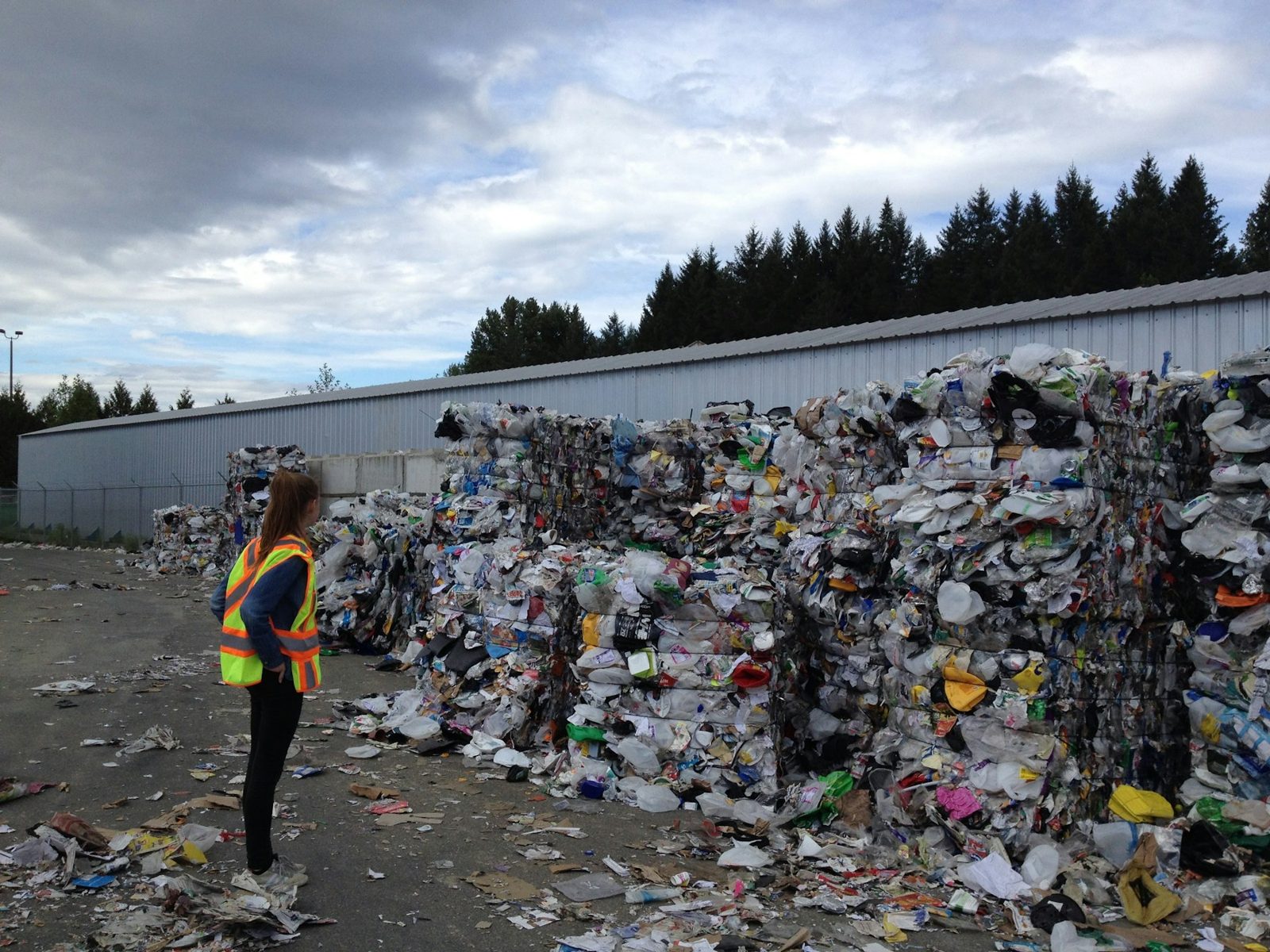
Recycling and waste sorting bins, illustrating Parramatta's 2026-2036 Waste Strategy.
Parramatta has adopted a 10-year waste strategy that turns rubbish into a practical city-management issue for one of Greater Sydney's fastest-changing centres. City of Parramatta announced on 26 June that its 2026-2036 Waste Strategy will guide sustainable, resilient and community-focused waste services while helping residents and businesses reduce the amount of waste they generate. The council frames the plan as a shift from treating waste as something to throw away toward treating it as a resource that can be reduced, recovered, reused or recycled. For residents, the question is how that vision changes daily bins, education, recycling access and illegal dumping.
The strategy's public exhibition page sets out four priority areas: setting a waste leadership culture, improving waste management, keeping waste out of the city environment, and promoting the circular economy. Those priorities are supported by education for council staff and the community. This is the right level of detail for a local-life story because waste management succeeds or fails through repeated household and business behaviour. A glossy strategy does little if residents do not understand what goes where, if businesses cannot access the right services, or if problem waste still ends up in the wrong place.
Council says the strategy includes investigating opportunities to expand the Community Recycling Centre and its service offerings, building on the North Parramatta facility. That is one of the most concrete elements of the plan. Community recycling centres matter because many common problem-waste items do not belong in ordinary kerbside bins. Batteries, paint, oils, gas bottles, smoke detectors, fire extinguishers and fluorescent tubes all need clearer drop-off routes. If recycling facilities are too far away, too limited or poorly explained, people are more likely to store items indefinitely or dispose of them incorrectly.
Lord Mayor Martin Zaiter said the city is changing the way it thinks about waste, from something thrown away to a resource that can potentially be used again. He also said reducing waste is a shared responsibility and that every household and business has a role to play. That language is familiar in sustainability policy, but Parramatta's growth makes it more urgent. More residents, more apartments, more retail, more offices and more hospitality activity all mean more waste streams. A city that wants to become a major metropolitan centre has to make waste services simple enough for a dense and culturally diverse population to use well.
The engagement page gives useful background on community input. It says a May 2025 survey drew 633 completed responses from people aged 18 to 85 across a range of suburbs, housing types and language backgrounds. Respondents were broadly interested in learning more about waste reduction and recycling, and the page says more than 15 languages were spoken in addition to English. That matters because waste education often fails when it assumes one household type, one language or one communication channel. Parramatta will need multilingual, visual and practical information if the strategy is to change behaviour across apartments, detached homes, shops and community facilities.
The strategy also sits within wider national targets, including reducing total waste generated by 10 per cent per person by 2030, achieving an average 80 per cent resource recovery rate from all waste streams by 2030, and halving organic waste sent to landfill by 2030. Those targets are ambitious for any council, and especially for one in a growth corridor. The pressure is not only environmental. Waste contracts, landfill costs, contamination, illegal dumping, truck movements and public cleanliness all affect council budgets and residents' experience of the city.
For Sydney and Surrounds, the Parramatta waste strategy is a practical Greater Sydney story because it touches every household. The next tests are delivery tests: whether the Community Recycling Centre expands, whether education reaches renters and businesses as well as homeowners, whether illegal dumping falls, whether residents see clearer bin guidance, and whether the council reports progress in plain numbers. A 10-year plan is useful only if people can see what changes in year one. Parramatta has set the direction; residents should now look for the service changes that make waste reduction easier in real life.
From the desk. Sydney and Surrounds is a practical local newsroom for Greater Sydney. If there is something in your suburb that deserves more attention, we would like to hear about it.