Western Sydney Mayors Push Loan Plan To Unlock Housing Infrastructure
Councils across Sydney's west are asking the state to fund roads, drainage and community works upfront so housing approvals can actually move.
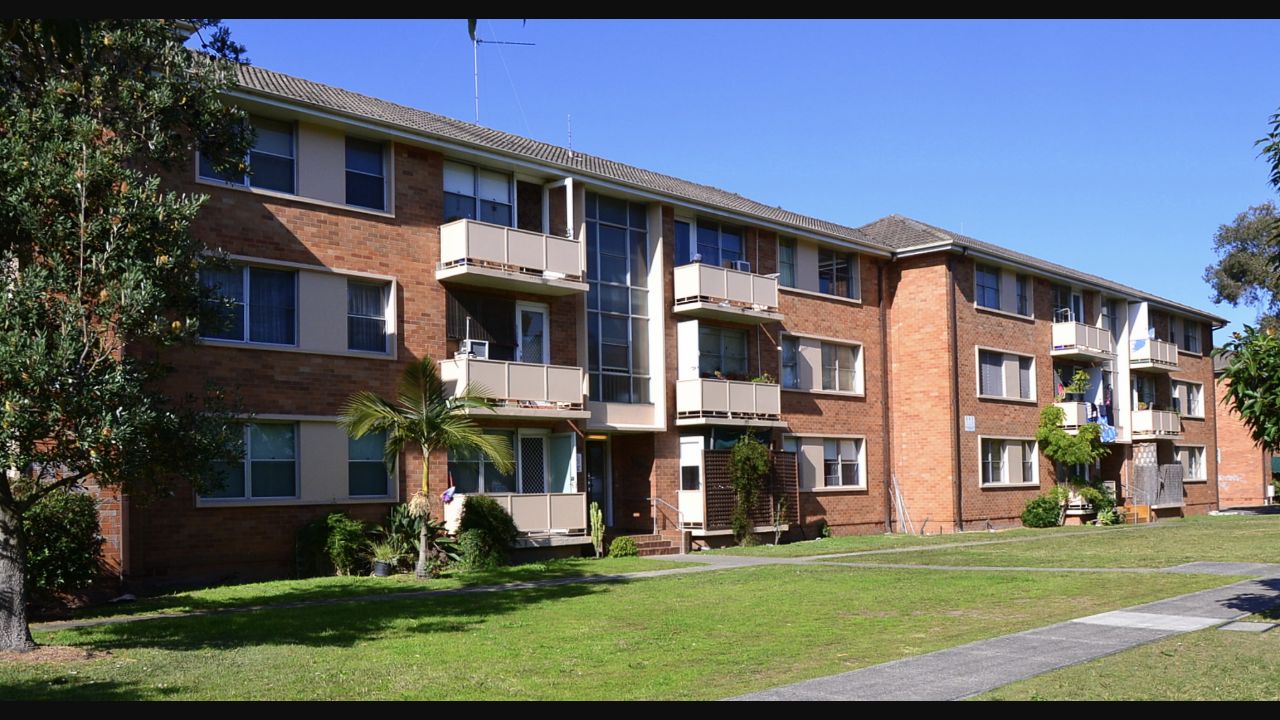
Sydney public housing at Banks Avenue, Pagewood. Western Sydney councils say infrastructure funding needs to move earlier if new homes are to be delivered faster.
Western Sydney councils are pressing the state government to change the order of the housing equation: fund the roads, stormwater, water connections and community infrastructure first, then let new housing approvals catch up. The proposal, reported on 9 June, comes through Local Government NSW and a group of Western Sydney mayors who argue that the current contribution system leaves councils waiting for developer money that only arrives after projects are approved.
The plan is called Unlocking Homes. Its central ask is for $5 billion in interest-free loans to councils so they can build local infrastructure upfront and recover the money later through developer contributions. It also calls for the state to forward-fund another $3 billion of its own infrastructure in designated growth zones. Supporters argue the model could help unlock tens of thousands of homes and potentially return up to $1.8 billion in stamp duty to the state budget as delayed projects move into the market.
The reported council backing is broad enough to matter. Mayors from Penrith, Blacktown, Campbelltown, The Hills Shire, Wollondilly, Camden and Liverpool were listed among supporters, covering the belt of Sydney where growth targets and daily infrastructure pressure collide most visibly. These are places where housing announcements can sound hollow if local roads, drainage, schools, parks and community facilities are not ready when people move in.
The policy tension is straightforward. Developer contributions are meant to pay for the infrastructure growth creates. But if the infrastructure is needed before approvals can proceed, the cash may arrive too late to break the bottleneck. Councils say that creates a cycle where homes are delayed because infrastructure is missing, while infrastructure is delayed because homes have not yet produced the contributions needed to pay for it.
There are risks in any loan-heavy model. Residents will want transparency on which projects are prioritised, how repayments are tracked, and whether local infrastructure arrives in the same suburbs carrying the growth. The state will need to test whether forward funding speeds delivery or simply shifts financial risk from developers to public balance sheets. But the proposal does identify a real Greater Sydney problem. Housing targets are easier to announce than they are to live with. A suburb does not become more affordable or more functional because a planning target exists. It becomes workable when homes, transport, water, parks and community services are sequenced together.
The pressure is especially visible in councils where growth is arriving through a mix of greenfield estates, denser centres and transport-oriented planning. Residents often hear that more homes are needed, and the need is real, but support can weaken when local infrastructure feels like an afterthought. A road that floods, an overcrowded intersection, a missing footpath or a delayed community facility can turn a housing target into a neighbourhood argument. That is why the mayors' proposal is politically important even before the state decides whether to fund it. It shifts the debate from whether Western Sydney should take growth to whether the state is prepared to fund the enabling works early enough for growth to be accepted.
From the desk. Sydney and Surrounds is a practical local newsroom for Greater Sydney. If there is something in your suburb that deserves more attention, we would like to hear about it.