Andrew Steel's Freightquip Role Puts Electric Ground Equipment Into WSI Airport Launch
Western Sydney International Airport has confirmed Freightquip will supply and operate an almost entirely electrified ground support equipment fleet as part of Australia's first airport-wide GSE pooling program.
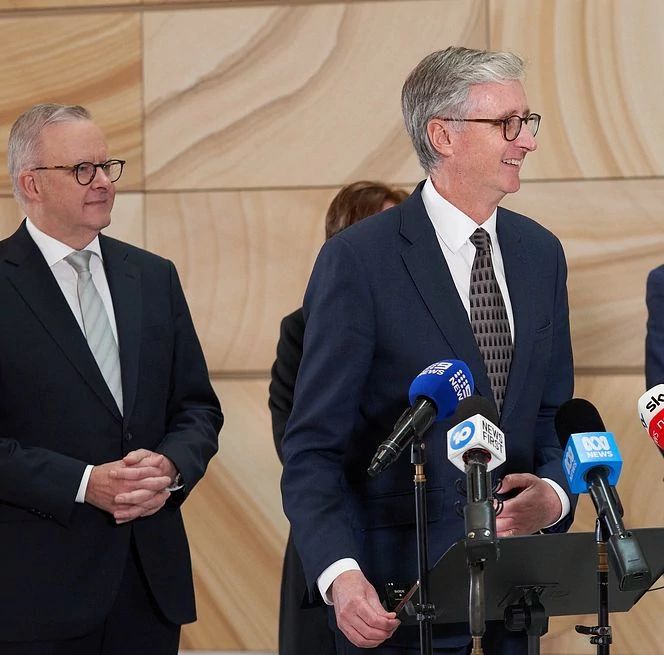
Western Sydney International Airport media announcement imagery from the official WSI newsroom.
Western Sydney International Airport's launch is becoming a business-operations story as well as an aviation story, with Freightquip set to supply and operate an almost entirely electrified ground support equipment fleet across the airport.
WSI's 2 July sustainability release says the airport has secured two key partnerships for its net-zero pathway: CleanPeak Energy for 100 per cent renewable electricity for the airport precinct, and Freightquip for an almost entirely electrified GSE fleet covering the full scope of airport operations. Business reporting also noted that the arrangement will create Australia's first airport-wide ground support equipment pooling program, with operations aligned to the airport's staged opening.
The local-operator detail is important. Freightquip COO and head of aviation operations Andrew Steel is quoted in the WSI release saying the company has deployed and maintained electric GSE fleets across major airports and airlines, and sees WSI as the beginning of a bigger shift in how the industry approaches ground operations globally. That makes the story more than a procurement notice. It is about the operational businesses that will shape how Sydney's new airport actually works from day one.
Ground support equipment is mostly invisible to passengers until something goes wrong. Belt loaders, baggage tractors, cargo loaders, pushback equipment and maintenance teams determine whether bags move, aircraft turn around on time, workers operate safely and airlines avoid duplicating machinery across the apron. A pooled fleet means equipment is managed centrally rather than every airline keeping separate gear. If it works, the model can improve utilisation, reduce clutter, lower noise and cut emissions from diesel equipment.
That matters in western Sydney because the airport is opening beside suburbs, freight corridors, logistics land and growth precincts already carrying pressure. Residents will judge the project not only by flights and jobs, but by whether the airport keeps its promises on sustainability, noise, traffic and local opportunity. Electrifying ground equipment does not solve every impact, but it is one concrete way to reduce on-site emissions and noise from the start rather than retrofitting later.
The release says Freightquip's role includes the full scope of GSE for aircraft turnaround operations, an integrated digital platform with real-time visibility and automated allocation, connection with WSI's flight information system, and dedicated on-site maintenance. Those systems sound technical, but they decide how efficiently the airport runs. A new 24-hour airport cannot afford fragmented apron operations if it wants to attract airlines, freight users and passengers who expect reliability.
The next test is delivery. WSI's sustainability claims will need to become working equipment, charging systems, maintenance rosters, staff training and clear performance reporting once cargo and passenger operations ramp up. For local businesses, the story is also a signal that the airport economy will not be limited to airlines and retailers. Specialist operators, energy partners, ground handlers, maintenance providers and technology suppliers will all form part of the new precinct.
For Sydney and Surrounds readers, the practical question is whether the region gets a cleaner and more efficient airport operation in exchange for hosting major new infrastructure. Freightquip's role gives that question a named operational test.
From the desk. Sydney and Surrounds is a practical local newsroom for Greater Sydney. If there is something in your suburb that deserves more attention, we would like to hear about it.