Play Her Way Grants Put Triathlon NSW Rugby And Volleyball Pathways Into Women In Sport Focus
NSW's Play Her Way Innovation Program has put women and girls' sport into a practical delivery test, with sixteen sporting organisations sharing $500,000 for projects that aim to improve participation, leadership and career pathways.
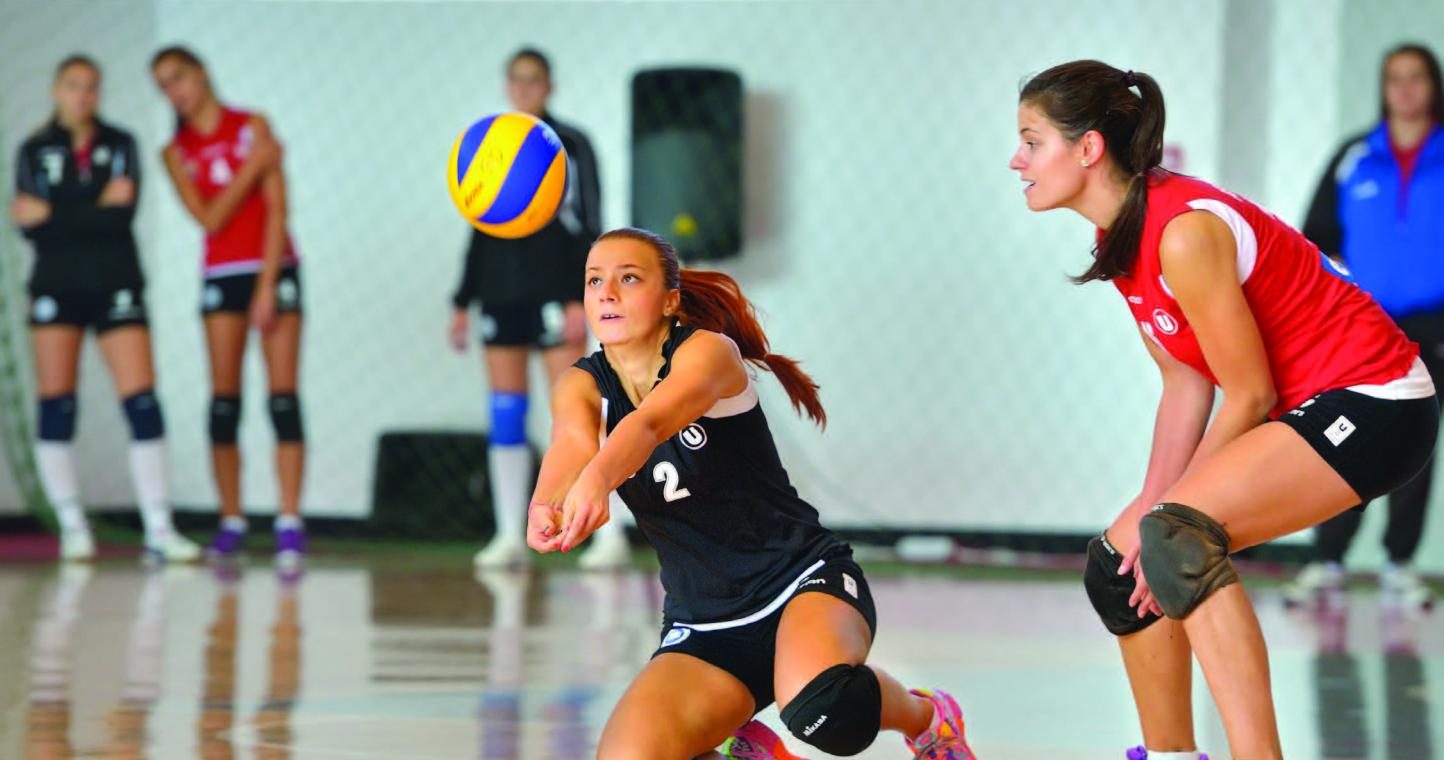
Volleyball participants in official NSW Government imagery for the Play Her Way Innovation Program announcement.
NSW's Play Her Way Innovation Program has put women and girls' sport into a practical delivery test, with sixteen sporting organisations sharing $500,000 for projects that aim to improve participation, leadership and career pathways.
The 31 July NSW Government release says the funding will support 19 projects across the state as part of the four-year Play Her Way strategy. Grants range from $3,000 to $45,000 and were awarded to State Sporting Organisations and State Sporting Organisations for People with Disability, with applicants able to partner with academies and community organisations already working with women, girls and under-represented groups.
The headline projects show the program's direction. Triathlon NSW received $45,000 for Tri Her Way, described as a women-led digital triathlon club designed to create a safe, inclusive and connected online community where young women can build skills, connect with others and participate in the sport. NSW Rugby Union received $44,983 for Rugby Her Way, a female-focused participation and development program designed by women to support new and returning players while building player and coach confidence. Volleyball NSW received $45,000 for CoachHer, a flexible leadership and coach development program aimed at helping more women become coaches through inclusive and hybrid training.
For Sydney and Surrounds readers, the practical issue is whether these grants make sport easier to stay in after the first burst of interest. Participation programs often sound good when announced, but the real test comes when school, work, family commitments, cost, travel and confidence start pushing young women out. A digital triathlon club could help if it gives women a lower-pressure way to train, learn and connect without needing to already belong to a traditional club. A rugby program designed by women could help if it deals with the reasons new players hesitate or leave. A flexible coaching pathway could matter if it turns former and current players into leaders at local clubs.
Athletics NSW also received $5,000 for Her Track, Her Career, a structured internship program for young women seeking sports-industry experience. That is a smaller grant, but it points to an often-overlooked part of women's sport: not everyone contributes by playing. Clubs and state bodies need coaches, administrators, event staff, media workers, physiotherapists, referees, operations people and volunteers who can see a pathway into paid or meaningful roles. If the pipeline only celebrates elite athletes, the wider system remains fragile.
The release says the funded projects are intended to build career pathways, drive inclusive cultures and lift participation. Those are three different jobs. Participation is about getting people in the door. Culture is about whether they feel welcome enough to stay. Career pathways are about whether sport can become a place to work, lead and influence decisions. A strong program needs all three, especially for girls and women who may already have experienced sport as something designed around someone else's timetable, safety assumptions or leadership style.
There is a Greater Sydney angle because the region's clubs serve very different communities. A program that works in an inner-city association may not fit the outer west, the south-west, the north shore or beachside suburbs without adaptation. Transport access, facility availability, cultural expectations, cost and volunteer capacity vary sharply across the basin. State-level funding can help, but local delivery will decide whether the grants reach girls who are currently missing out or only improve programs for people already connected.
The program should also be judged by what happens after the grant period. If a $45,000 project creates a temporary burst and then disappears, the benefit is limited. If it produces reusable coaching modules, better club habits, repeatable digital communities, and more women moving into visible leadership, it becomes stronger public value.
The useful takeaway is that Play Her Way is now moving from strategy language into project delivery. Triathlon, rugby, volleyball, athletics and other funded sports have a chance to show what practical innovation looks like when the goal is not only to recruit women and girls, but to keep them active, confident and influential in sport.
From the desk. Sydney and Surrounds is a practical local newsroom for Greater Sydney. If there is something in your suburb that deserves more attention, we would like to hear about it.