Sydney Renewable Energy Zone Proposal Puts Apartments And Warehouses Into Rooftop Solar Debate
A proposed Sydney City Renewable Energy Zone would push solar and batteries onto warehouses, apartment blocks and commercial roofs, shifting some of the state's renewable rollout back to where power is actually used.
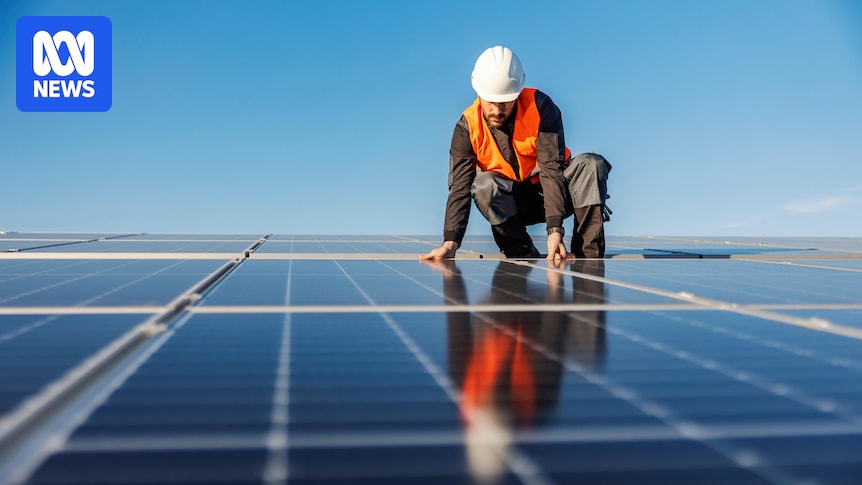
Solar panels installed on a roof. The NSW Opposition has proposed a Sydney City Renewable Energy Zone focused on urban solar and batteries.
A proposal to create a Sydney City Renewable Energy Zone has put warehouses, apartment buildings, commercial roofs and local grid capacity into the state energy debate. ABC News reported on 24 June that the NSW Opposition wants to redirect part of the renewable rollout toward Sydney while scaling back the role of regional renewable energy zones. Labor rejected the plan, warning it would create turmoil in the state's existing energy strategy.
The local angle is practical. Sydney consumes a large share of the state's electricity, but much of the new renewable generation debate has focused on regional transmission corridors, wind projects, solar farms and the difficult politics of hosting infrastructure far from the consumers who use the power. An urban renewable energy zone would shift some of that attention back to the demand side of the grid: industrial precincts, apartment rooftops, shopping centres, schools, hospitals, depots and office buildings that already sit close to where electricity is used.
ABC reported that the Coalition proposal would support greater use of solar and battery storage across industrial precincts, commercial buildings and apartment complexes in Sydney. Shadow Energy Minister James Griffin said generating, storing and using energy closer to demand could make better use of existing rooftops across Greater Sydney. The proposal would also include a Delivery Coordination Office to work with councils, communities and industry on urban renewable projects.
The idea sounds simple until it meets Sydney's building stock. A warehouse roof can be a useful solar asset if ownership, structural capacity, grid connection, insurance and tenant arrangements line up. An apartment complex may have large shared roof space but complicated strata decision-making, embedded networks, fire-safety requirements and questions about who receives the savings. A school or hospital may have suitable space but tighter procurement and reliability needs. The policy test is whether the plan can remove those frictions rather than simply naming rooftops as untapped potential.
There is also a fairness question. Households with detached homes have had the clearest path to rooftop solar. Renters, apartment residents and small businesses often have less control over the roof above them. If an urban renewable zone helps shared buildings install solar and batteries in a way that lowers bills for occupants, it could make the energy transition more useful to people who have been locked out of the rooftop boom. If it mostly benefits large commercial landlords, residents may see another infrastructure promise pass them by.
The dispute with the government is about system design as well as politics. Regional renewable energy zones are intended to replace coal generation at scale and connect large projects to the grid. Urban solar and batteries can help reduce peak demand, improve resilience and cut local bills, but they do not automatically substitute for large-scale generation and transmission. A credible Sydney plan would need to explain how much capacity can realistically be built, how fast it can connect, what it costs, and how it fits with the existing energy roadmap.
Councils would likely become important delivery partners. They control planning rules, local facilities, community engagement and some procurement decisions. But councils are already under financial pressure, and many lack the internal energy-market capacity to negotiate complex projects alone. Any Delivery Coordination Office would need to provide technical help, template agreements and clear grid-connection pathways, not just another layer of consultation.
For Sydney and Surrounds readers, the proposal is worth watching because it brings the energy transition down to visible local assets. The question is no longer only where the next regional solar farm goes. It is whether the roof over a warehouse in Wetherill Park, an apartment block in Rhodes, a shopping centre in Liverpool or a depot in Alexandria can become part of the city's power system. That is a useful debate, but it needs numbers, delivery rules and consumer protections before it becomes more than a campaign idea.
From the desk. Sydney and Surrounds is a practical local newsroom for Greater Sydney. If there is something in your suburb that deserves more attention, we would like to hear about it.