Building Commission NSW Defers Apartment And Strata Rules Before 1 July Deadline
Building Commission NSW has deferred several requirements that were due to take effect from 1 July 2026, including parts of the Design and Building Practitioners framework and a strata bond increase.

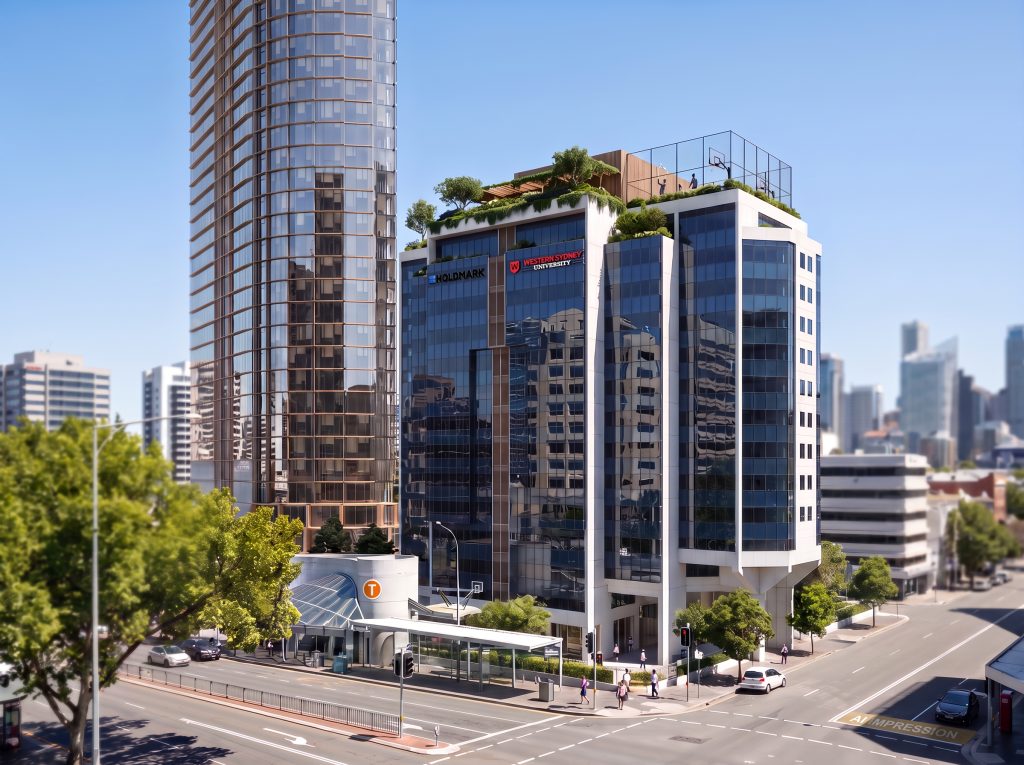
Building inspectors at an apartment building under construction, illustrating the Building Commission NSW regulation update.
Builders, apartment buyers and strata communities have a new 1 July deadline story after Building Commission NSW confirmed several regulation changes on 26 June. The update defers requirements that were due to take effect from 1 July 2026, including parts of the Design and Building Practitioners framework, professional indemnity insurance arrangements and the strata building bond increase. For Greater Sydney, where new apartments are central to housing supply, these changes are not just industry paperwork. They affect the balance between construction speed, practitioner obligations, defect protection and buyer confidence.
The first major change is a two-year deferral for the expansion of the Design and Building Practitioners Act 2020 to remedial work on existing class 3 and 9c buildings. Building Commission NSW says that expansion will now start on 1 July 2028. The existing regime continues to apply to alteration, repair and renovation work on existing class 2 buildings and mixed-use buildings with a class 2 part. In plain terms, the apartment-focused parts of the system remain active, while the wider class 3 and 9c remedial expansion has been pushed out.
That matters because class 3 and 9c buildings can include accommodation and care-related building types that bring their own compliance demands. A deferral gives parts of the industry more time, but it also delays the point at which those remedial works fall under the expanded framework. Residents and owners should read this as a timing change, not as a removal of building-quality concerns. The practical question is whether the extra two years are used to improve readiness, insurance access and compliance systems, or whether the sector simply arrives at another deadline with the same pressure.
The second change extends the exemption for registered building practitioners to hold adequate professional indemnity insurance by 12 months, to 30 June 2027. Professional indemnity insurance has been a difficult area for construction professionals because cover availability, exclusions and cost can affect whether practitioners can operate. Extending the exemption may reduce short-term pressure on registered practitioners, but it also keeps alive questions about how risk is allocated when defects, design errors or compliance disputes arise. For consumers, the relevant issue is not the insurance mechanics alone. It is whether accountability remains clear when something goes wrong.
The third change is especially relevant for apartment buyers and strata schemes. The government has deferred the increase in the strata building bond percentage rate from two per cent to three per cent until 1 July 2028. Building Commission NSW explains that the bond applies to new strata buildings that do not have home building compensation insurance. Developers lodge the bond before the occupation certificate is issued, and it may be used to rectify defects identified through the Strata Building Bond and Inspections Scheme. If there are no defects, the bond is returned to the developer.
Delaying the bond increase can be seen two ways. Developers may argue it avoids adding immediate cost to projects during a period when Sydney needs more housing delivered. Owners and buyers may ask whether a higher bond would have strengthened protection against defects in new strata buildings. Both views are part of the same housing problem. Sydney needs apartments built, but it also needs people to trust that new apartment buildings are properly designed, inspected and fixed when defects appear. Supply without confidence is a weak housing answer.
The final listed change removes the expiry date applying to the existing professional indemnity insurance exemption for certifiers regarding cladding, allowing certifier policies to exclude cladding-related claims with no expiry period. That is another technical line with practical consequences, because cladding has been one of the defining building-safety issues for apartment owners over the past decade. The update gives industry more certainty about the insurance setting, but residents should keep asking what protections apply on individual buildings. For Sydney and Surrounds, the core story is simple: building reform is moving, but some deadlines have shifted. Buyers, strata committees and practitioners should treat 1 July as a check-in point, not a finish line.
From the desk. Sydney and Surrounds is a practical local newsroom for Greater Sydney. If there is something in your suburb that deserves more attention, we would like to hear about it.