Callan Park SES Plan Gives Inner West Volunteers A One-Roof Option
Investigations into a possible SES base at Callan Park have begun after planning changes opened a path for empty buildings to support Inner West emergency volunteers.
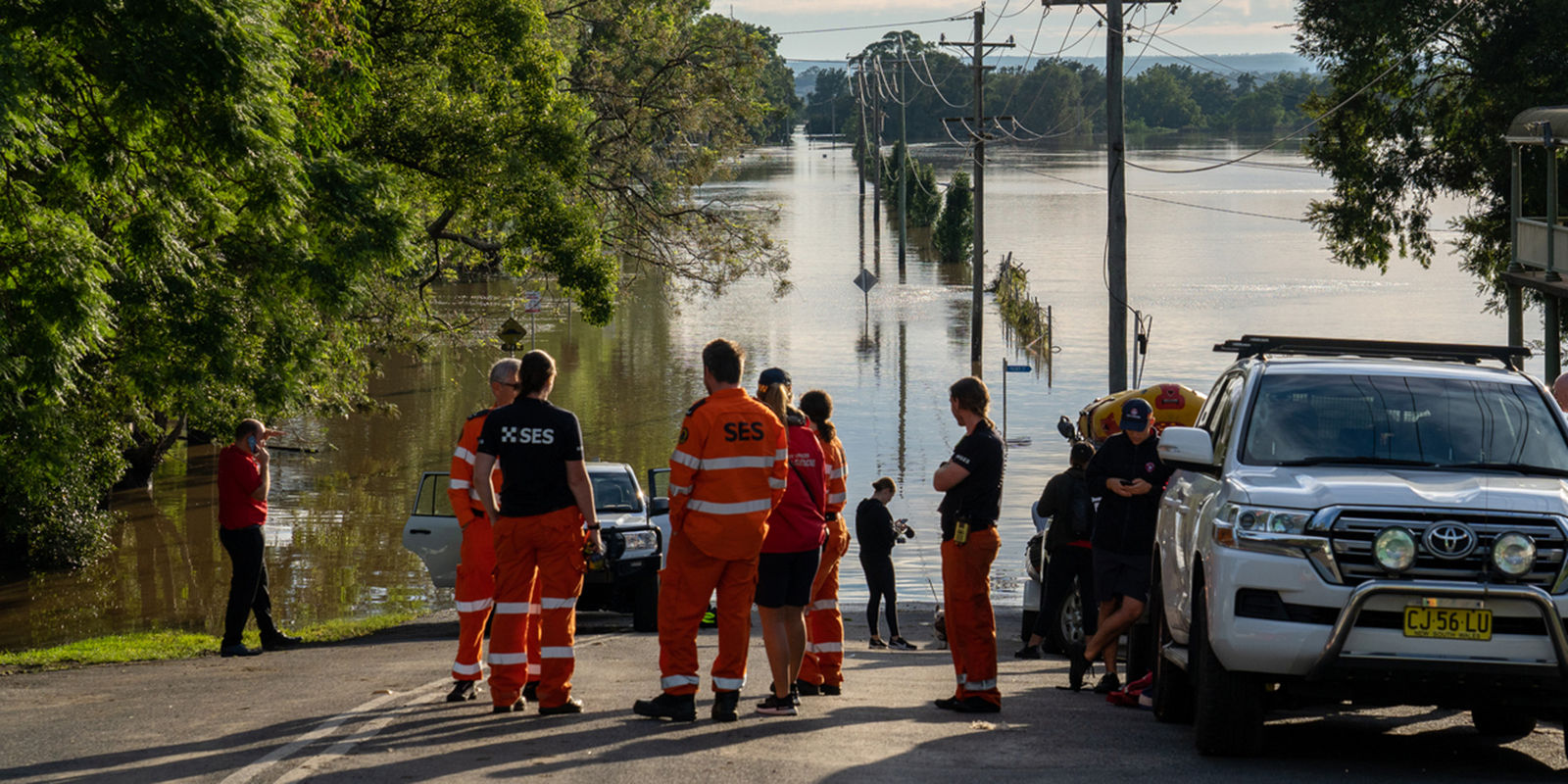
NSW SES crew working near floodwater, context image for the planned Callan Park facility story.
Callan Park is being investigated as a possible permanent home for Inner West SES volunteers, after state planning changes opened a path to reuse vacant buildings in the historic parklands.
The NSW Government said on Tuesday 13 October that the Greater Sydney Parklands Trust Amendment Review Bill 2026 allows the state, Inner West Council and NSW SES to identify a suitable site at Callan Park. The proposed facility would include vehicle bays, training and administration space, and volunteer amenities.
The local problem is simple: Inner West SES operations are currently split across two locations. Bringing the Ashfield-Leichhardt unit under one roof would give volunteers a more secure and practical base for storm, flood and emergency response work across a dense part of Sydney.
The parkland setting is the sensitive part. Callan Park has heritage buildings, open space and a long public history, so any emergency-services plan will need to show how it protects green space while giving unused buildings a civic purpose. The government argues the move could be achieved without losing green space and says demolishing unused, vandalised or condemned buildings could increase parkland available to the public.
The background numbers explain why the site will stay politically watched. The Callan Park plan of management covers 61 hectares, the Inner West population is expected to reach 415,000 by 2041, and the park attracts more than 2.4 million visitors each year. That makes the decision both an emergency-services issue and a public-space issue.
The useful test now is detail. Residents will want to know which building is proposed, what vehicle access looks like, how heritage fabric is protected, and whether the base improves emergency readiness without turning the park into a back-of-house depot. For volunteers, the opportunity is more immediate: a modern, permanent base in the area they serve.
That balance will decide whether the proposal earns trust. A strong plan should show the community exactly how response vehicles move, how much space is reused rather than newly taken, and how the precinct remains welcoming for everyday park users. Emergency infrastructure is easiest to support when the public can see both the operational need and the parkland protections in the same design.
From the desk. Sydney and Surrounds is a practical local newsroom for Greater Sydney. If there is something in your suburb that deserves more attention, we would like to hear about it.