Sydney Researchers Present New Cancer-Trial Results at ESMO Congress
Sydney clinical-trial researchers have presented new melanoma, prostate, pancreatic and biliary-tract cancer findings at the 2026 ESMO Congress in Madrid.
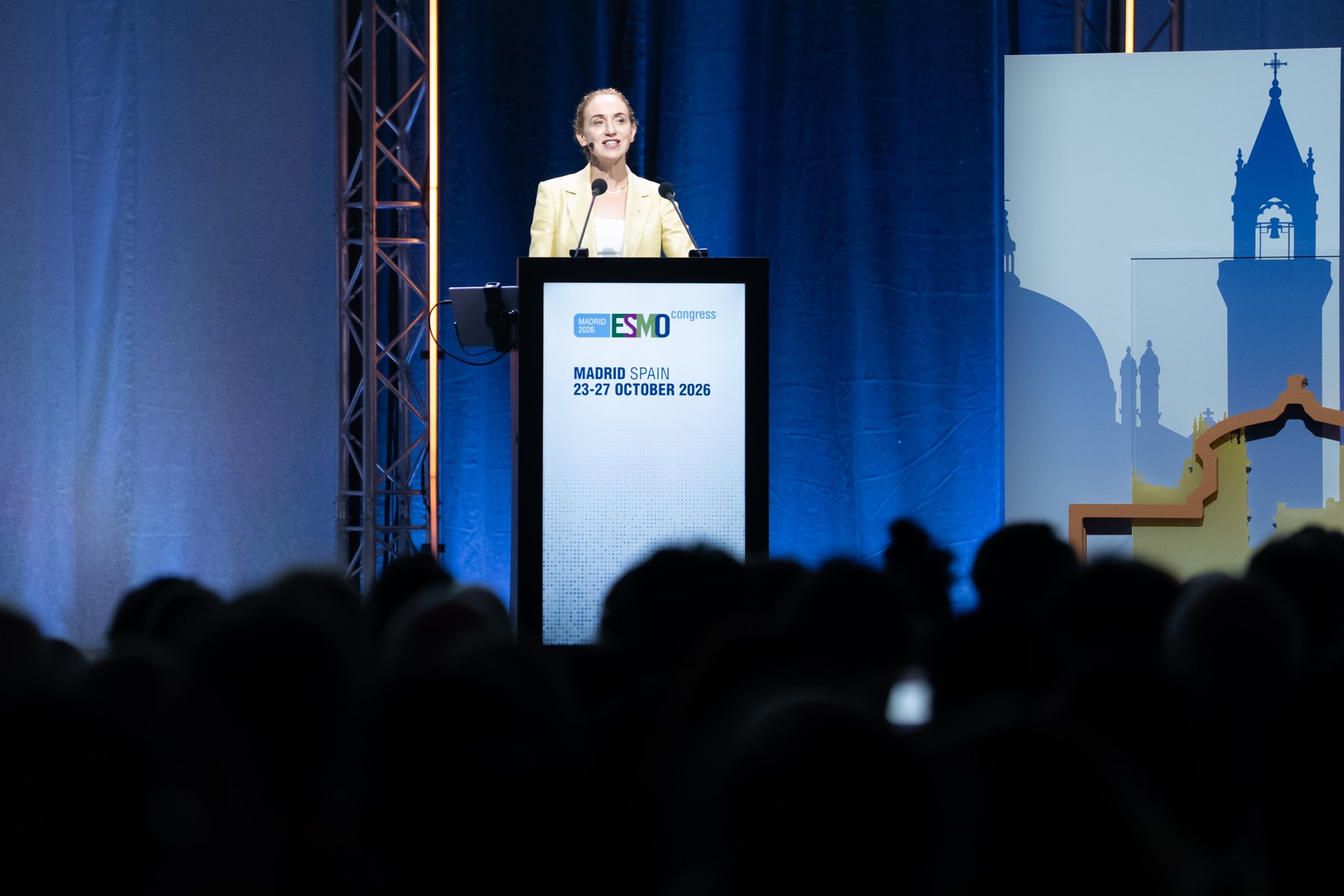
Professor Georgina Long at the University of Sydney, accompanying coverage of cancer-trial results.
Sydney researchers have presented a cluster of cancer-trial findings at the European Society for Medical Oncology Congress in Madrid, including results involving melanoma, prostate, pancreatic and biliary-tract cancers.
Professor Georgina Long, medical director of the Melanoma Institute Australia and chair of melanoma medical oncology and translational research at the University of Sydney, presented results from an international trial of a personalised therapeutic melanoma vaccine. The university says the study found a 42 per cent reduction in the risk of recurrence or death when the vaccine was added to immunotherapy after surgery for high-risk melanoma.
The treatment is personalised from a patient's own tumour and is being studied as an addition to treatment, rather than as a replacement for established care. The result is important, but it is not a reason for patients to change treatment on their own; treatment decisions remain matters for specialist teams and the evidence base continues to develop.
Sydney's Clinical Trials Centre also reported interim prostate-cancer findings from a University of Sydney-sponsored study. The university says adding darolutamide to standard care reduced the four-year risk of cancer spread from 11 per cent to five per cent for people with very high-risk localised or locally advanced disease in the trial.
For pancreatic cancer, the MASTERPLAN phase II study examined stereotactic body radiotherapy alongside chemotherapy. The university reported median time before progression or return of cancer of 11.9 months in the radiation group, compared with 6.3 months for chemotherapy alone. Median overall survival was reported as 22 months and 14 months respectively; the researchers say a larger study is needed to confirm the benefit.
Another trial, ACTICCA-1, considered chemotherapy options following biliary-tract cancer treatment. The university said the results add evidence but also underline the trade-off between a possible survival benefit and increased treatment-related toxicity.
The local significance is the scale of Sydney's role in coordinating and leading multi-centre work. For patients and families, the useful takeaway is more cautious than a headline: these findings can shape the next phase of research and clinical discussion, while access and suitability depend on the particular cancer, treatment history and advice of a treating specialist.
From the desk. Sydney and Surrounds is a practical local newsroom for Greater Sydney. If there is something in your suburb that deserves more attention, we would like to hear about it.