NSW Underquoting Penalties Put Sydney Auction Price Guides And Agent Conduct On Notice
NSW has lifted maximum underquoting penalties from $22,000 to $110,000 and mandated price guidance on property advertising, giving Sydney buyers a clearer framework to test auction campaigns.
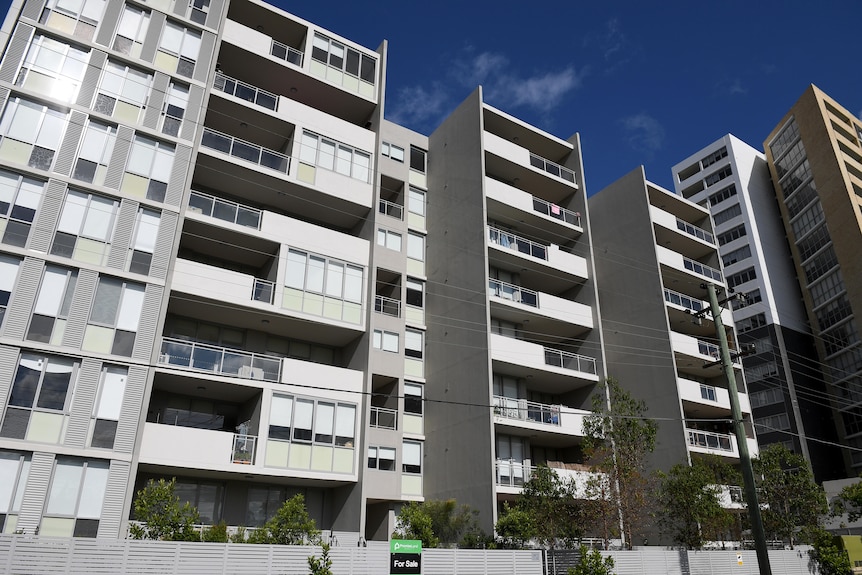
A residential property image used in ABC News housing coverage. New NSW laws require clearer price guidance and stronger penalties for underquoting.
Sydney home buyers have been given a clearer legal framework to test property price guides after the NSW Government passed legislation increasing underquoting penalties and mandating price or price-guide information on property advertising. The government release, published on 24 June, says maximum penalties for underquoting will rise from $22,000 to $110,000 or three times the agent's commission, whichever is greater. Penalties for dummy bidding at auctions will double from $55,000 to $110,000.
The story is especially relevant in Sydney because price discovery is one of the most exhausting parts of the local property market. Buyers can spend money on building reports, strata reports, conveyancing advice and weekend inspections only to discover the likely sale price was never close to the advertised guide. In a market where a modest percentage difference can mean tens or hundreds of thousands of dollars, misleading price guidance is not a small inconvenience. It affects family planning, borrowing decisions, auction strategy and trust in the whole sales process.
The new laws are designed to remove part of the incentive for agents to attract attention with a low guide and then benefit from stronger competition. The government says agents will be required to publish a price or price guide on all advertising, provide a Statement of Information showing how the estimated selling price was calculated, and use comparable sales and the suburb's median sale price as part of that explanation. Agents will also be prohibited from advertising below a previously rejected written offer or the highest unsuccessful auction bid.
Business News Australia reported that the main underquoting provisions will commence on a date to be appointed by proclamation, meaning buyers should watch for the operational start date rather than assuming every new rule is immediately live. That timing matters because the reform will be judged by the next auction season, not by the day the bill passes. Buyers need to know when the rules apply, what documents they can ask for, and how to complain if advertising does not match the evidence.
For Greater Sydney suburbs, the Statement of Information requirement may be the most practical part of the change. Comparable sales are often used casually in property conversations, but the new regime should force agents to show their working more clearly. That will not remove emotion from auctions or guarantee a property sells within the guide. It should make it harder for a campaign to begin with a number that is disconnected from the agent's reasonable estimate.
NSW Fair Trading will also gain stronger powers, including the ability to force agents to publicly reveal breaches or have estimates checked by an independent qualified valuer. Buyers, sellers, renters and landlords are being encouraged to use the NSW Fair Trading Name and Shame Register to check the status and history of agents and strata managers. In a city with intense housing pressure, enforcement visibility will be important. A law that sits quietly in the background will not change behaviour if agents believe the risk of being caught remains low.
For sellers, the reform also matters. A transparent guide can reduce wasted inspections and create a cleaner campaign. But some vendors may worry that tighter rules reduce competitive tension. The fair balance is simple: a property can still sell above expectations if genuine competition emerges, but the starting point should not be a guide designed to mislead people into a race they cannot afford.
For Sydney and Surrounds, this is a property story about time and trust as much as price. Buyers already face high deposits, rate uncertainty and limited supply in many suburbs. They should not also have to decode whether the advertised guide is a genuine estimate or a marketing tactic. The next test is whether the rules are communicated clearly and enforced often enough that price guides become useful information again.
From the desk. Sydney and Surrounds is a practical local newsroom for Greater Sydney. If there is something in your suburb that deserves more attention, we would like to hear about it.